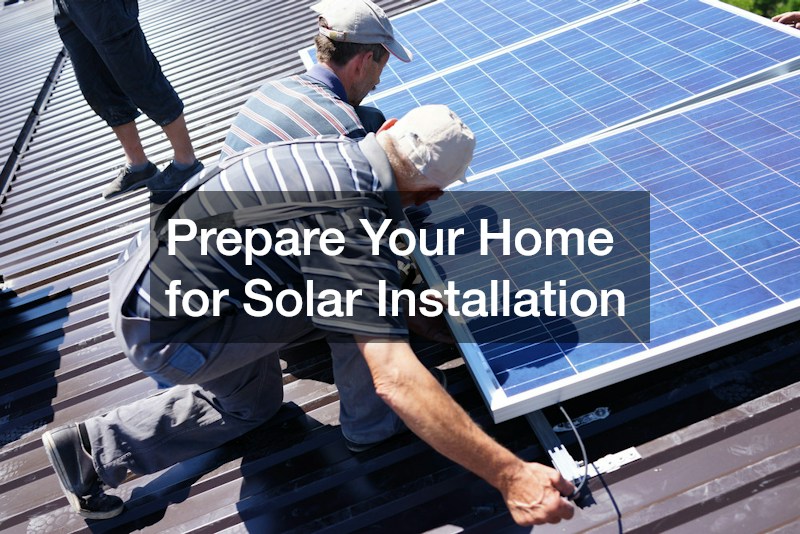
Learn about the key steps and what to anticipate as you prepare for your solar installation service. Understanding the process will help you have a smooth and successful transition to solar energy. As a homeowner considering solar power, it’s vital to comprehend each step to ensure you get the most out of your investment. Embracing solar energy not only cuts your electricity costs but also contributes to a sustainable future. This guide will help you navigate the journey to energy independence with ease. Preparing your home for solar installation involves several key steps that can make the process efficient and seamless. First, an assessment of your roof’s condition is crucial. A sturdy, damage-free roof can support solar panels and ensure a long-lasting setup. If your roof requires repairs, it’s best to complete these before installation begins. Ensuring your property is clear of any physical obstructions can also facilitate smoother access for installers. It’s important to consider electricity usage and home energy needs when planning for solar panel installation. Conducting an energy audit can help you understand your current consumption patterns and potential savings with solar energy. This information aids in selecting the size and number of solar panels needed for your home. Furthermore, discussing these details with your solar contractor can ensure a tailored installation that meets your specific needs. Finally, securing the necessary permits and adhering to local regulations is an essential preparatory step. In most areas, installing solar panels requires permits which your solar provider can assist in obtaining. Understanding zoning laws and homeowners association rules will help avoid any legal complications. These regulatory considerations ensure your installation is compliant, efficient, and hassle-free. Collaboration with your solar provider can streamline this bureaucratic step. During the solar installation process, multiple steps occur over several days, depending on project size. Initially, installers will mount solar panel racking on the designated area of your roof. This is the backbone ensuring the panels are secure and optimally angled to capture sunlight. It’s essential that the installation team follows precise blueprints for safety and operational reasons. Proper installation reduces long-term maintenance costs and maximizes panel efficiency. Next, the electrical wiring process begins, which connects the solar system to your home’s power supply. This phase includes the placement of an inverter that converts solar power into usable electricity. Professional electricians work to ensure everything is correctly installed and conforms to local building codes. Careful integration with your existing power grid is crucial for seamless operation. Safety checks and testing follow before final activation of the system. Finally, monitoring your new solar power system is the last key step. Installers will guide you on using monitoring software to track system performance and energy production. This helps you understand when adjustments are necessary and optimize energy savings. Post-installation services may include troubleshooting support should issues arise. Regular maintenance is minimal yet vital for long-term system health and efficiency. The cost of solar installation can vary based on factors such as system size, location, and brand of solar panels. Despite initial costs, the long-term savings on energy bills make solar a worthwhile investment. Many homeowners find that their systems pay for themselves within several years. Researching and comparing different providers can help find the best deal for your budget. Additionally, understanding the return on investment can alleviate financial concerns. Numerous financing options are available, each with its benefits and drawbacks. Some homeowners opt for solar loans or leases, spreading costs over time and making solar energy more affordable. Others utilize power purchase agreements (PPAs), which involve paying only for the electricity you generate. Evaluating each option’s terms and conditions shall guide your decision process. Consulting with a financial advisor can provide insight tailored to your situation. Government incentives and tax benefits can significantly offset solar installation costs. Federal tax credits can reduce your tax liability, while state programs may offer additional financial relief. These incentives not only lower the cost but also encourage more homeowners to consider solar energy. Staying informed about changing policies can maximize savings. As laws and programs evolve, keeping abreast is essential for taking advantage of new incentives. Switching to solar energy comes with a myriad of environmental benefits. Solar power reduces carbon emissions, helping combat climate change and promote a healthier planet. As a renewable energy source, it decreases dependency on fossil fuels and limits your carbon footprint. In addition, it contributes to sustainable development and environmental conservation efforts. By choosing solar, you support global initiatives for cleaner energy and a greener future. Beyond environmental benefits, solar energy can also greatly enhance the value of your home. Solar panels are a desirable upgrade that many potential buyers look for, ensuring greater resell value. Homes with solar systems can sell faster compared to those without. Additionally, solar installations can offer a hedge against rising energy prices. This long-term increase in home value makes solar a viable and wise investment. Energy independence is another compelling reason for going solar. Relying less on utility companies decreases your vulnerability to power outages and fluctuating electricity rates. Solar panels enable you to generate your own electricity and even store excess power for later usage. This autonomy provides an assurance of stable energy costs over time. Plus, any excess energy can potentially be sold back to the grid, contributing to overall energy efficiency. Once your solar panels are installed, you’ll soon start reaping the benefits of solar energy. By closely monitoring your energy production and usage, you can optimize the performance of your system. Initial reviews of your electricity bills will likely show significant savings, validating the transition. Continued system maintenance will ensure these savings continue. With due diligence, your solar investment will thrive. It’s important to maintain regular communication with your solar provider for optimal system performance. Scheduled maintenance checks assure that any issues can be promptly identified and addressed. Inverter and panel cleanliness are critical to sustaining effectiveness. Recommended maintenance tasks usually require little effort but are crucial in maintaining efficiency. Engaging professional services for maintenance can extend the system’s longevity. The role of ongoing government incentives and energy policies cannot be overlooked even after installation. Staying informed about shifting utility policies will help you capitalize on potential benefits such as net metering credits. This knowledge will allow you to maximize the financial advantages of your solar system. Consistent exploration of new technologies and improvements in the solar industry can further enhance your energy experience. With proactive management, your transition to solar becomes not just about sustainable living but a lifelong benefit. By understanding what to expect during your solar installation service, you can better prepare and make informed decisions. Embrace the future with solar energy and enjoy the numerous benefits it provides. From economic savings to environmental preservation, solar is the gateway to sustainable living. As you embark on this transformation, clear knowledge and preparation ensure a smooth journey. Become a part of the solar community and soar into an energy-efficient future. How to Prepare Your Home for Solar Installation
What to Expect During the Installation Process
Understanding Costs and Financing Options
The Benefits of Going Solar
After Installation: What Comes Next
What to Expect During Your Solar Installation Service