
Owning a home involves more than keeping the rooms clean and paying the monthly bills. Every property contains interconnected systems, building materials, and outdoor features that need attention over time. A small leak, worn roofing material, or neglected drainage issue can become expensive when warning signs go unnoticed. Understanding what to inspect, when to schedule professional assistance, and how to budget for improvements helps homeowners protect both their comfort and their investment.
Maintenance and upgrades also serve different purposes. Routine care preserves existing features, while strategic improvements can address changing household needs, improve efficiency, or make daily life more convenient. Not every project needs to happen immediately, but each deserves an informed decision. By evaluating the property’s condition, identifying priorities, and coordinating work carefully, homeowners can develop a practical approach that supports their property for years to come.
Evaluating Your Home’s Current Condition
Effective property care begins with a clear picture of what is working and what needs attention. Walk through your home several times a year, looking for water stains, cracked finishes, sticking doors, unusual odors, and changes in indoor temperatures. Examine visible areas of the foundation and exterior walls for gaps or shifting materials. Patterns, especially changes that develop quickly, are worth investigating.
Outside, inspect siding, grading, walkways, gutters, and accessible roofing surfaces from the ground. After storms, look for displaced materials, fallen branches, or standing water near the house. Take photographs and record dates so you can compare conditions over time. Never climb onto a damaged roof or enter unsafe spaces simply to complete an inspection. When structural movement, electrical hazards, or significant moisture damage appears possible, arrange a professional assessment.
A written inventory can help organize future home repair services. Include the age of major equipment, warranties, previous repairs, and recommended maintenance intervals. Keep receipts, inspection reports, and contractor information in one accessible location. This history helps professionals understand recurring problems and allows you to distinguish an isolated repair from an issue that may require a broader solution.
Prioritize findings based on safety, potential damage, and daily inconvenience. A suspected gas leak or exposed wiring requires a different response from faded paint or an outdated light fixture. Clear priorities prevent attractive remodeling ideas from distracting you from more urgent maintenance responsibilities.

Planning Repairs and Remodeling Projects
Once you understand your home’s condition, decide which projects restore performance and which improve how you use the space. Repairing a damaged surface may be sufficient when the underlying structure is sound. A more extensive change makes sense when a room no longer supports your household’s routines or when several related components are approaching the end of their useful lives.
Home remodeling can involve updating kitchens, improving bathroom layouts, creating accessible entrances, or adapting rooms for remote work. Start by defining the problem rather than choosing finishes immediately. For example, a cramped kitchen might need better storage and lighting instead of a complete reconfiguration.
Set a realistic budget that accounts for labor, materials, permits, and unexpected conditions behind walls or beneath floors. Older homes may contain outdated wiring, deteriorated plumbing, or other hidden issues that affect the scope of work. Obtain detailed estimates that explain what is included, how changes will be handled, and which responsibilities belong to the homeowner.
Consider the order of operations before scheduling multiple contractors. Structural repairs and necessary mechanical updates should generally come before new flooring, cabinetry, and decorative finishes. If walls will be opened for plumbing or electrical work, completing those tasks together may reduce disruption. Make sure any required permits and inspections are addressed before work begins. Thoughtful sequencing protects finished surfaces and helps projects stay organized.

Protecting Roofing and Gutter Systems
A roof shields the structure from rain, snow, wind, and prolonged exposure to sunlight. Its condition affects insulation, interior finishes, and even the framing beneath it. Look for missing shingles, damaged flashing, sagging sections, and water marks on ceilings or attic surfaces.
Small problems may be repairable when surrounding materials remain in good condition. Roof replacement becomes a more practical consideration when deterioration is widespread, recurring leaks persist, or repairs no longer provide a reasonable long-term solution. The appropriate timing depends on the roofing material, installation quality, local weather, and actual condition rather than age alone. Ask a roofing professional to explain the available options and the evidence supporting a recommendation.
Gutters deserve similar attention because they direct water away from the roofline, siding, and foundation. Remove accumulated leaves and debris, correct loose attachments, and confirm that downspouts discharge water away from vulnerable areas. Poor drainage can contribute to soil erosion, basement moisture, and damage to exterior materials.
For properties surrounded by trees, gutter guard installation may reduce the amount of large debris entering the system. Guards do not eliminate the need for inspections or occasional cleaning, however. Their performance varies with design, roof conditions, and the types of debris nearby. Evaluate installation details, maintenance requirements, and compatibility with existing gutters before selecting a product. Coordinating roof and gutter work can also prevent one project from interfering with the other.
Maintaining Plumbing and Drainage Systems
Water moves through a network of supply lines, fixtures, drains, and appliances. Problems may begin as a dripping faucet, a slow sink, or a toilet that runs continuously, but seemingly minor issues can waste water and create hidden damage. Check exposed pipes beneath sinks, around water heaters, and near washing machines for moisture or corrosion. Monitor changes in water pressure and unusual sounds, and investigate persistent dampness promptly.
Professional plumbing services can help locate concealed leaks, replace failing components, and evaluate recurring pressure or fixture problems. When arranging service, describe the symptoms clearly, including when they occur and whether multiple fixtures are affected.
Drain cleaning is another important part of maintaining dependable plumbing. Hair, grease, soap residue, and foreign objects can restrict flow over time. Use strainers where practical, keep cooking grease out of sinks, and avoid flushing wipes or other materials that do not belong in sewer systems. Chemical drain cleaners may damage some plumbing components and can create hazards for anyone working on the blockage later.
Repeated backups, sewage odors, gurgling fixtures, or several slow drains at once may indicate a deeper obstruction or venting problem. A plumber can determine whether mechanical cleaning, camera inspection, or further repairs are appropriate. Homeowners should also learn where the main water shutoff is located and verify that it remains accessible. Knowing how to stop water quickly can limit damage during an emergency.
Managing Heating, Cooling, and Electrical Systems
Indoor comfort depends on systems that are easy to overlook when they operate normally. Heating and cooling equipment must move air, regulate temperatures, and respond to changing seasonal demands. Replace or clean filters according to the equipment manufacturer’s instructions, keep supply and return vents unobstructed, and watch for uneven temperatures or unfamiliar noises. Outdoor units should have adequate clearance for airflow, without vegetation or stored objects pressed against them.
Timely HVAC repairs can address issues such as poor airflow, short cycling, refrigerant leaks, or unreliable heating before they cause additional damage. Regular maintenance can also reveal worn components and help homeowners plan for eventual equipment replacement. Avoid opening electrical compartments or handling refrigerants without appropriate training.
Electrical systems warrant equal care because deteriorated components and overloaded circuits create safety risks. Warning signs include frequently tripped breakers, warm outlets, buzzing sounds, and lights that flicker unexpectedly. Stop using equipment associated with burning smells, sparks, or heat, and seek prompt professional guidance. Do not repeatedly reset a breaker without understanding why it trips.
Qualified electrical services can address damaged outlets, evaluate panel capacity, improve lighting, and support new appliances or renovations. Before adding high-demand equipment, ask whether existing circuits and service capacity are suitable. Licensed professionals should perform work requiring specialized knowledge and follow applicable codes and permit requirements. Planning electrical improvements alongside HVAC upgrades or remodeling can reduce unnecessary wall openings and help ensure new equipment has appropriate power available.
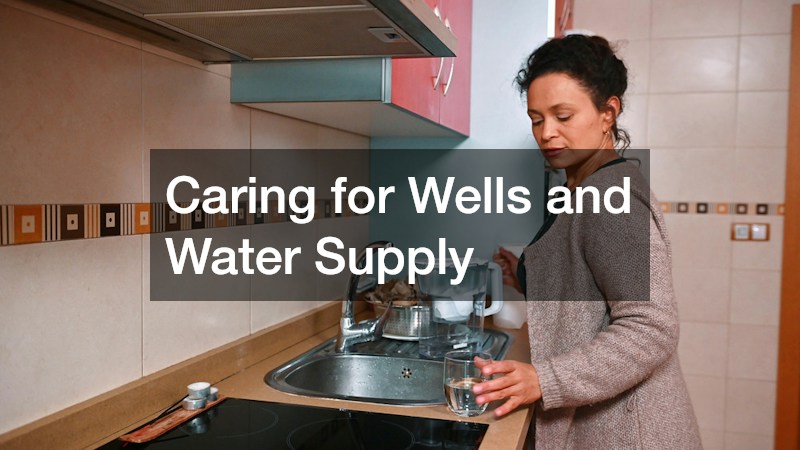
Caring for Wells and Water Supply
Homes connected to private wells have maintenance responsibilities that differ from those connected to public water systems. The well, pump, pressure tank, controls, and household plumbing must work together to provide dependable water. Fluctuating pressure, unusual pump cycling, air at faucets, or an unexpected loss of water can signal a problem with one or more components.
Schedule well pump repair when performance changes or a qualified professional identifies a malfunction. A technician may examine pressure settings, electrical controls, piping, and the pump’s operation before recommending repairs or replacement. Homeowners should avoid repeatedly restarting an unresponsive system without knowing the cause.
Water quality requires attention as well. Private well owners are generally responsible for arranging appropriate testing and responding to identified contaminants. Testing recommendations can vary by location, well conditions, and nearby activities, so consult local health guidance about frequency and substances to evaluate. Changes in taste, odor, or appearance should prompt investigation, but clear water is not necessarily free from contaminants.
Protect the area around the wellhead from runoff, chemicals, and physical damage. Maintain accessible records of inspections, test results, equipment specifications, and service visits. If renovations will increase water demand, discuss the well system’s capacity before adding bathrooms, fixtures, or irrigation. Planning ahead helps prevent improvements elsewhere on the property from creating new water supply problems.
Improving Outdoor Spaces and Drainage
Outdoor improvements can extend usable living space and make the property easier to navigate. Before choosing a patio, walkway, or gathering area, consider how people move between entrances, gardens, parking areas, and recreational spaces. Think about sunlight, privacy, accessibility, and the amount of maintenance you want to manage.
Paver patios offer design flexibility through different shapes, colors, and laying patterns. Proper preparation is essential, however. The underlying base, drainage, edge restraints, and installation methods affect how well the finished surface performs through changing weather. Poor preparation may allow settling, shifting, or puddling. Request information about the proposed base materials, slope, and maintenance needs before work begins.
Pay close attention to how water moves around all outdoor surfaces. Patios and walkways should not direct runoff toward the foundation, neighboring properties, or areas where water routinely collects. Existing drainage problems may need correction before hardscaping begins. Similarly, landscape beds should be designed with grading and exterior wall protection in mind rather than appearance alone.
Consider how outdoor work will affect underground utilities, access points, and future repairs. Confirm the location of buried services through the appropriate utility marking process before excavation. If you expect to add lighting, irrigation, or an outdoor kitchen later, discuss those possibilities during initial planning. Coordinating related work can reduce the need to disturb completed surfaces and help the entire outdoor area function as intended.

Building a Sustainable Maintenance Plan
A successful property strategy is not a one-time checklist. It is an ongoing process that connects seasonal inspections, routine upkeep, emergency preparation, and future improvements. Establish a calendar for tasks appropriate to your home’s systems and climate. Some activities, such as checking visible plumbing connections, take only a few minutes. Others, including equipment servicing and detailed exterior assessments, may require professional appointments.
Separate recurring maintenance costs from savings intended for major replacements. Roofs, mechanical equipment, and exterior surfaces have limited service lives, even when cared for properly. Setting money aside regularly can make large expenses less disruptive. Review priorities each year as the condition of the property, household needs, and available budget change.
Keep contractor proposals, warranties, permits, inspection results, and photographs organized. After a project, record what was completed, the materials used, and any follow-up maintenance instructions. This information can be helpful when scheduling future service, making insurance claims, or preparing to sell the property.
Finally, recognize when a task exceeds your knowledge, equipment, or comfort level. Simple cleaning and visual checks are different from roof work, electrical alterations, and complex plumbing repairs. Hiring qualified professionals for higher-risk projects helps protect the household and the home itself. With consistent attention and practical planning, homeowners can reduce avoidable surprises, make informed investment decisions, and create a property that remains comfortable, functional, and resilient as their needs evolve.