Homeownership comes with a continuous cycle of maintenance, repairs, and eventual upgrades. For many individuals, the initial impulse when faced with a deteriorating structure or an outdated aesthetic is to tackle the project themselves. The “do it yourself” approach promises significant financial savings and the deep personal satisfaction that comes from improving one’s own living space. However, assessing the true feasibility of these projects requires a careful evaluation of personal skill levels, available time, and the specific demands of the task at hand. While painting a wall or changing a light fixture might be straightforward weekend tasks, larger structural changes and complex mechanical repairs often hide unforeseen complications. It is essential to recognize the tipping point where a weekend project transforms into an overwhelming, costly endeavor. Understanding the distinction between manageable DIY tasks and those requiring specialized expertise is crucial for maintaining a safe and valuable property. This comprehensive guide will explore various common property improvement projects, evaluating the complexity of each to help property owners make informed decisions about when to pick up the tools and when to step back.
Upgrading Waterfront Structures

Owning waterfront property offers unique recreational opportunities but also introduces a distinct set of maintenance challenges, particularly regarding the structures that bridge the gap between land and water. These installations endure constant exposure to moisture, fluctuating water levels, and the punishing effects of weather. Over time, even the most robustly built platforms will show signs of wear, such as rotting wood, rusting hardware, or unstable foundations. Upgrading these structures is rarely a simple task, as it involves working over water and understanding complex environmental regulations. A typical property owner might be able to handle minor surface repairs, like replacing a few decking boards or reapplying a waterproof sealant, but constructing or entirely overhauling a waterfront platform requires specialized engineering knowledge and heavy-duty equipment.
When a complete replacement becomes necessary, the DIY route becomes significantly more perilous. Building a stable framework that can withstand strong currents and shifting sediment is not a project for an amateur carpenter. Trying to source all the marine-grade materials and maneuver them into place without a professional crew often leads to subpar, unsafe results. Before attempting a massive reconstruction project alone, property owners should research prefabricated options or modular systems. Looking into various boat docks for sale can provide a clear picture of the structural requirements and costs involved. Often, purchasing a professionally manufactured system and paying for expert installation is the only way to ensure the new structure meets safety standards and local environmental codes, ultimately saving time and preventing disastrous structural failures.
Repairing Vehicle Enclosures
The main entry point for vehicles into a home is a complex mechanical system that most homeowners take for granted until it suddenly stops functioning. These large, heavy barriers operate under immense tension and rely on a synchronized network of tracks, rollers, springs, and automated motors to open and close smoothly. Because they are used multiple times a day, the components naturally degrade over time. A homeowner with basic mechanical aptitude might successfully manage routine maintenance, such as lubricating the hinges, clearing debris from the tracks, or even replacing the weather stripping along the bottom edge. These minor DIY tasks can extend the life of the system and prevent small issues from developing into major mechanical failures.
However, when the issues move beyond basic maintenance, the situation becomes inherently dangerous. The torsion springs that lift the heavy panels hold an extraordinary amount of kinetic energy. Attempting to adjust or replace these springs without the proper training and specialized tools has resulted in severe injuries and even fatalities for untrained individuals. Similarly, diagnosing complex electrical issues within the motor or realigning a track that has completely warped requires professional precision. When faced with a system that is completely stuck, significantly unbalanced, or making grinding noises, the safest and most efficient choice is to step away from the toolbox. Calling a reputable garage door repair company ensures that trained technicians will handle the high-tension components safely and restore the heavy enclosure to optimal working condition without risking the homeowner’s physical safety.
Installing Weather Protections
Safeguarding a home against extreme environmental conditions is a critical aspect of property management, particularly in regions prone to severe seasonal storms. Shielding vulnerable entry points and fragile glass from high-velocity winds and airborne debris is a major structural concern. Property owners often contemplate whether they can construct and mount these protective barriers themselves to reduce the overall financial burden of storm preparation. Creating temporary shields by cutting and measuring heavy plywood is a demanding but achievable DIY task for a highly motivated homeowner over a weekend. These temporary measures, while physically taxing to deploy, offer a basic level of defense and rely on standard tools and accessible materials.
When transitioning to permanent, impact-resistant systems, the margin for error effectively disappears. The stakes are incredibly high because a poorly anchored track or a misaligned locking mechanism can result in catastrophic failure during a high-pressure weather event, leading to massive interior destruction. Installing a professional-grade hurricane shutter system involves drilling precise anchors into deep concrete or solid wood framing to ensure a flawless fit that completely seals out wind pressure. Due to the complex engineering, strict municipal building codes, and the absolute life-safety nature of these products, attempting a DIY installation is highly discouraged. Relying on professional technicians guarantees that the structural integrity of the barriers will hold when it matters most.
Remodeling Washroom Spaces

Interior spaces dedicated to personal hygiene are high-traffic zones that combine running water, electricity, and intricate plumbing within a notoriously confined footprint. Updating these areas is consistently one of the most popular home improvement desires, as a fresh aesthetic and improved functionality can dramatically increase property value and daily comfort. Many homeowners successfully undertake cosmetic DIY updates to breathe new life into an outdated space. Tasks such as painting the walls with moisture-resistant paint, swapping out outdated cabinet hardware, or installing a modern vanity mirror are highly accessible. These surface-level changes carry very little structural risk and provide immediate visual satisfaction for the weekend warrior.
The difficulty curve spikes vertically, however, when a project involves relocating plumbing supply lines, altering electrical circuits to accommodate new lighting, or building custom tiled shower enclosures from scratch. Water damage originating from a poorly sealed drain pan or a concealed pipe joint leak can rot internal wall framing and invite severe mold infestations long before the problem is visibly detected on the surface. Instead of risking the structural integrity of the floor joists and potential catastrophic water damage, many property owners find that hiring a bathroom remodeling contractor is the smartest and safest investment. These professionals manage the necessary municipal permits, coordinate specialized trades, and ensure that all complex waterproofing and mechanical work meets strict residential building codes.
Replacing Overhead Shingles
The uppermost exterior barrier of a house serves as the primary defense against relentless precipitation, damaging solar radiation, and wildly fluctuating seasonal temperatures. Maintaining this vital protective layer is non-negotiable for preserving the structural framework and interior finishes of the entire building. Spotting a few cracked or missing pieces of material after a storm, or simply clearing out clogged drainage gutters, are maintenance tasks that a confident homeowner with a sturdy extension ladder might handle safely. Conducting regular visual inspections and performing minor surface patching can significantly stave off larger issues and prolong the functional lifespan of the current covering.
Conversely, stripping away multiple old layers of material and installing a completely new protective barrier is an intensely physical and exceptionally dangerous undertaking. Working at steep, unstable angles while carrying heavy bundles of materials introduces a significantly high risk of severe falls and bodily injury. Furthermore, the improper installation of waterproof underlayment or the clumsy manipulation of metal flashing around ventilation pipes and masonry guarantees future water intrusion. Rather than risking a devastating hospital visit or a slow, hidden ceiling leak, engaging a custom roofing company guarantees that the massive project is executed with proper safety equipment and industry-standard techniques, providing the homeowner with long-term peace of mind and a valid warranty.
Erecting Landscape Features
Adding tall, freestanding structures to a front yard or commercial property significantly enhances curb appeal and serves as a powerful focal point. Homeowners often underestimate the physical labor required to safely secure towering vertical elements into the earth. While planting small garden stakes or erecting lightweight trellises are simple weekend projects requiring only basic hand tools, erecting massive metal poles introduces unexpected engineering challenges. The primary obstacle is counteracting the immense leverage that wind exerts on tall objects, which necessitates a deeply anchored, heavy base.
A successful residential or commercial flagpole installation demands a precise understanding of soil composition and concrete footing requirements. Digging a shallow hole and pouring a single bag of quick-setting cement is a recipe for a dangerous collapse during the first strong gale. The base must be dug below the local frost line and perfectly plumbed to ensure the soaring mast remains strictly vertical over decades of use. Because manipulating heavy aluminum or steel tubing poses severe physical risks, property owners are wise to leave these towering additions to seasoned structural experts.
Servicing Climate Systems
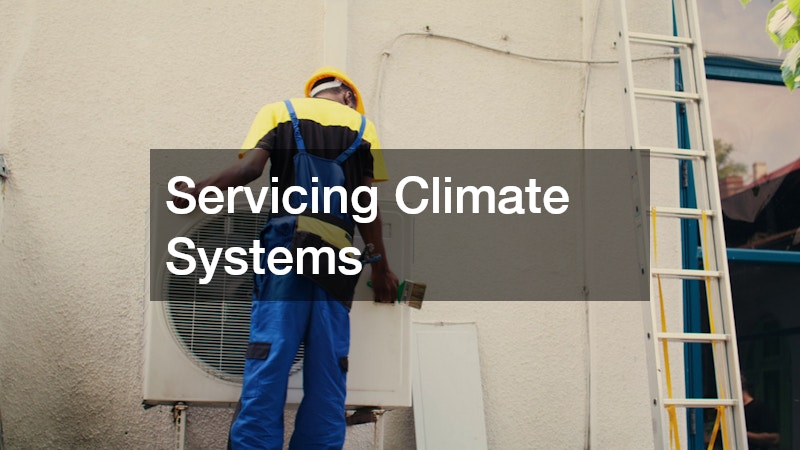
Maintaining a comfortable indoor temperature during the sweltering summer months relies entirely on complex, closed-loop mechanical systems. These intricate machines balance chemical refrigerants, high-voltage electricity, and forced air to remove humidity and heat from the living space. Property owners can and should perform basic preventative maintenance to optimize airflow and efficiency. Regularly swapping out dirty fiberglass filters, clearing fallen leaves from exterior condenser units, and ensuring that indoor vents remain unobstructed are all highly beneficial DIY tasks that require zero technical expertise.
The moment a climate control unit stops producing cold air or begins making unusual grinding noises, the realm of safe DIY intervention ends abruptly. Handling pressurized chemical refrigerants without an environmental certification is illegal and highly dangerous. Furthermore, diagnosing a faulty compressor or a blown high-voltage capacitor requires specialized testing meters and advanced electrical knowledge. When the system completely fails, attempting amateur repairs usually voids the manufacturer warranty and can cause irreversible mechanical damage. Calling professionals for comprehensive air conditioner services is the only guaranteed method to restore indoor comfort safely and efficiently.
Restoring Hearth Masonry
A traditional brick or stone fireplace provides unparalleled ambient warmth and serves as a stunning architectural centerpiece for a living room. However, the exterior exhaust structure extending above the roofline faces relentless attacks from freezing moisture, high winds, and corrosive internal flue gases. Superficial maintenance, such as scrubbing the easily accessible firebox with a wire brush or vacuuming out cold wood ash, are safe, routine tasks for any homeowner. These simple cleaning habits prevent foul odors and keep the immediate viewing area presentable.
Addressing structural decay within the towering brickwork or the internal clay flue is an entirely different and highly specialized trade. Water freezing inside microscopic mortar cracks will eventually cause the brick face to sheer off, compromising the entire exhaust system. Attempting amateur chimney repair by patching crumbling mortar with improper cement blends traps moisture and accelerates the structural degradation. Furthermore, working at extreme heights on a steeply pitched roof carries lethal fall risks. To prevent devastating house fires caused by neglected flues and failing masonry, property owners must rely on certified masons to rebuild and seal these critical exhaust structures.
Updating Glass Fixtures
Natural light dramatically transforms interior spaces, making the upkeep of transparent barriers essential. Homeowners routinely clean panes and replace torn screens to maintain clear outdoor visibility and basic ventilation. These simple maintenance chores require nothing more than standard household cleaners and provide instant visual gratification.
However, swapping out entire aging frames or upgrading to double-paned argon units introduces complex structural challenges. Improperly fitted frames allow moisture intrusion that rots the surrounding wall studs and compromises the building envelope. Entrusting these precise upgrades to professional window services ensures absolute weatherproofing and maximizes household energy efficiency without risking structural damage.
Eliminating Wood Destroyers
Protecting a wooden structural framework from relentless subterranean pests is vital for long-term property preservation. A vigilant homeowner might confidently deploy basic bait stations around the perimeter or seal visible foundation cracks to deter opportunistic insect invasions. These preliminary defensive measures act as a frontline shield against minor pest intrusions.
Yet, once an active colony breaches the foundation and begins consuming load-bearing joists, amateur methods are dangerously inadequate. Hardware store sprays cannot penetrate deep wall voids where massive satellite colonies thrive and multiply rapidly. Securing comprehensive termite control from licensed exterminators is the only proven method to eradicate deep-rooted infestations and permanently salvage the structural integrity of the home.
Navigating property maintenance requires a brutally honest assessment of personal capabilities versus the inherent risks of complex structural or mechanical failures. While tackling minor cosmetic updates fosters a rewarding sense of ownership, attempting highly technical overhauls often leads to disastrous financial and physical consequences. Recognizing the absolute limit of your DIY proficiency is the ultimate key to safe and effective home management. Prioritizing safety, adherence to building codes, and long-term durability over the short-term thrill of a weekend project ensures your property remains a secure, appreciating asset.