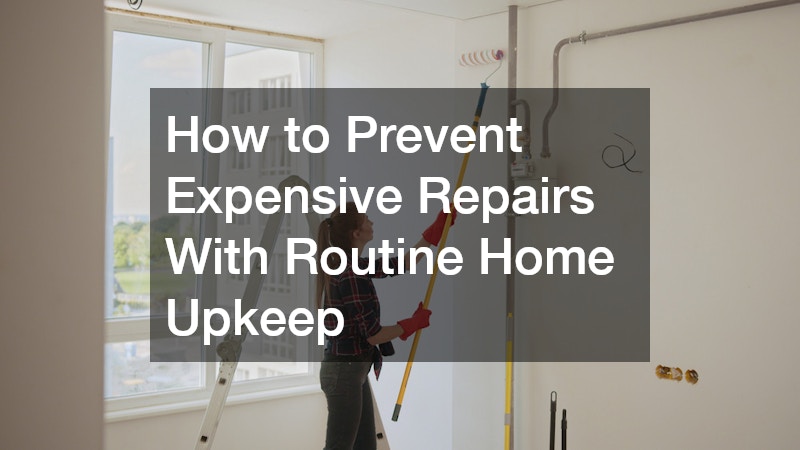
Owning a home brings a steady list of responsibilities. Small issues rarely stay small for long, and delaying basic maintenance often leads to repairs that strain both time and budget. The client understands that most costly problems don’t happen overnight—they build quietly through neglect, wear, and missed warning signs.
Routine upkeep shifts the focus from reacting to problems to preventing them. With the right habits in place, you can protect your home’s structure, improve efficiency, and avoid unnecessary stress. This guide walks through practical ways to stay ahead of repairs, with clear steps that fit into a manageable routine.
Incorporating a maintenance schedule into your home care routine can significantly reduce the likelihood of major repairs. By dedicating just a few hours each month to tasks like inspecting the roof, cleaning gutters, or checking HVAC filters, you invest in the longevity of your home. Not only does this proactive approach save money in the long run, but it also ensures a safe and comfortable living environment for you and your family.
Why Preventative Maintenance Matters
Many homeowners wait until something breaks before taking action. That approach almost always costs more in the long run. Preventative care reduces the risk of sudden failures and helps extend the life of every system in your home.
Here’s why consistent upkeep pays off:
- Lower repair costs: Fixing minor damage early avoids larger, more expensive problems later.
- Improved efficiency: Well-maintained systems run better and use less energy.
- Longer lifespan of materials: Roofs, pipes, and equipment last longer with proper care.
- Better home value: A well-kept home holds its value and attracts buyers if you decide to sell.
The client often reminds homeowners that maintenance is not about perfection—it’s about consistency. Even small actions, repeated over time, create a strong defense against major repair bills.
Building a Simple Maintenance Routine
Creating a routine doesn’t require complicated planning. It just needs structure and follow-through. Breaking tasks into seasonal or monthly checklists makes everything easier to manage.
Monthly tasks to stay on track:
- Check for visible leaks under sinks and around appliances
- Inspect HVAC filters and replace if needed
- Test smoke and carbon monoxide detectors
- Look for cracks in walls or ceilings
- Monitor water bills for unexpected spikes
Seasonal tasks to prioritize:
- Clean gutters and downspouts
- Inspect windows and doors for drafts
- Check outdoor surfaces for wear
- Review insulation and ventilation
- Flush the water heater to remove sediment
Working with experienced professionals when needed—such as an HVAC contractor for system tune-ups or local plumbers for leak inspections—can strengthen your routine and catch issues you might miss.
A written checklist or digital reminder system helps keep everything organized. When tasks are scheduled instead of remembered, they’re far more likely to get done.
Protecting Your Roof From Early Damage
Your roof handles constant exposure to weather, making it one of the most important areas to monitor. Even minor damage can lead to water intrusion, mold growth, and structural issues if ignored.
Key steps to protect your roof:
- Inspect shingles for curling, cracking, or missing pieces
- Check flashing around vents and chimneys
- Clear debris that can trap moisture
- Look for signs of water stains in the attic
- Examine gutters for granule buildup from shingles
If problems appear, addressing them quickly through local roof repair prevents small issues from spreading. Many homeowners also benefit from periodic inspections by roofing companies, especially after storms with high winds or heavy snowfall.
It’s also important to pay attention to attic ventilation. Poor airflow can trap heat and moisture, weakening roofing materials from the inside. Adding proper ventilation can extend the life of your roof significantly.
Keeping Plumbing Systems in Check
Water damage is one of the most common and expensive issues homeowners face. Pipes, drains, and fixtures all require regular attention to avoid leaks and blockages.
Simple ways to protect your plumbing system:
- Avoid pouring grease or debris down drains
- Check water pressure for sudden changes
- Inspect exposed pipes for corrosion
- Run water in unused fixtures to prevent drying
- Install drain screens to catch debris
Working with local plumbers helps identify hidden concerns before they escalate. In some cases, scheduling a sewer line service can prevent backups and costly underground repairs.
Another smart step involves checking areas that don’t get much attention, such as basements or crawl spaces. Slow leaks in these areas can go unnoticed for months, leading to mold growth and structural damage.
Maintaining Heating and Cooling Systems
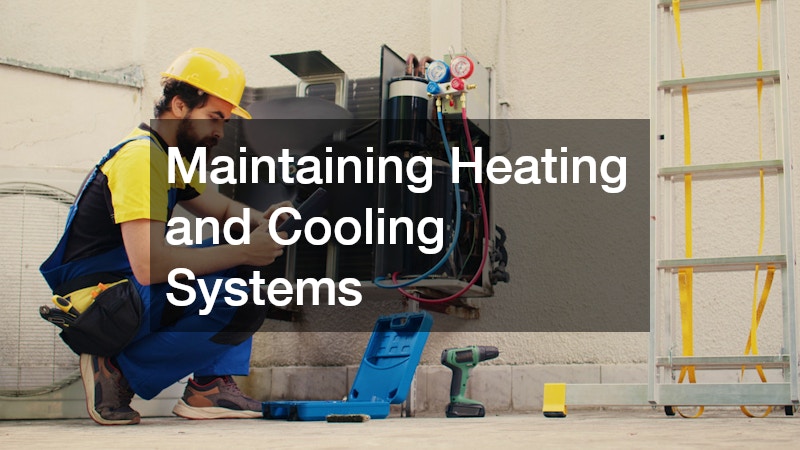
Heating and cooling systems work hard throughout the year. Without proper care, they become less efficient and more likely to fail when you need them most. Implementing a regular maintenance routine can significantly enhance their longevity and performance.
Best practices for system maintenance include:
- Replace air filters regularly: This is one of the simplest yet most effective steps. Clogged filters restrict airflow and strain the system, leading to increased energy consumption.
- Keep vents clean and unobstructed: Ensure that furniture, drapes, and other items do not block vents. Proper airflow is essential for efficient heating and cooling.
- Schedule annual inspections: Professionals can identify potential issues early, ensuring systems run smoothly. They can also clean components that are difficult to reach.
- Listen for unusual noises during operation: Strange sounds might indicate underlying problems that need immediate attention.
- Check thermostat accuracy: An inaccurate thermostat can lead to discomfort and wasted energy.
A heating contractor can help maintain consistent performance during colder months, while an HVAC contractor ensures the entire system runs efficiently year-round.
Dust buildup is one of the most overlooked problems. Dirty components force systems to work harder, increasing energy use and wear. A simple cleaning routine can make a noticeable difference in both performance and cost. Additionally, consider investing in a programmable thermostat to optimize energy use. By taking these steps, you can ensure your heating and cooling systems operate effectively and efficiently, maintaining a comfortable environment in your home while minimizing energy bills.
Preserving Exterior Surfaces and Paint
Exterior surfaces act as your home’s first layer of defense. Paint, siding, and trim all play a role in protecting against moisture, pests, and weather damage.
Steps to maintain exterior surfaces:
- Wash siding to remove dirt and buildup
- Check for peeling or cracking paint
- Seal gaps around windows and doors
- Repair minor damage before it spreads
- Inspect caulking for signs of wear
Hiring a local painting contractor when needed helps restore protection and maintain curb appeal. Fresh paint does more than improve appearance—it adds a protective barrier that prevents long-term damage.
Regular inspections also help identify early signs of rot or insect activity. Addressing these issues quickly prevents them from spreading into larger structural concerns.
Caring for Driveways and Walkways
Driveways and walkways often get overlooked, but they experience daily wear from vehicles, weather, and foot traffic. Cracks and uneven surfaces can quickly worsen without attention. Regular maintenance not only enhances the aesthetic appeal of your property but also ensures safety for those using these pathways.
How to maintain these surfaces:
- Fill small cracks before they expand: A quick inspection can reveal hairline cracks that, if left untreated, can develop into larger fissures. Using appropriate filler materials can make a significant difference.
- Clean surfaces to prevent buildup: Over time, dirt, debris, and organic matter can accumulate, creating a slippery surface. Regular sweeping and power washing can help maintain traction and appearance.
- Seal materials to protect against moisture: Applying sealant at regular intervals can prevent water from seeping into cracks and causing further damage due to freeze-thaw cycles.
- Address drainage issues around paved areas: Proper drainage is crucial. Ensure that water flows away from driveways and walkways to minimize erosion and structural damage.
- Remove weeds growing through cracks: Weeds not only detract from the visual appeal but can also exacerbate cracking. Use a weed killer or pull them out manually to maintain the integrity.
Working with a paving contractor ensures repairs are handled correctly and surfaces remain durable over time. They can assess the condition of the material and suggest long-term maintenance plans tailored to your specific needs.
Seasonal temperature changes can cause expansion and contraction, leading to cracks. Regular sealing helps reduce this effect and keeps surfaces stable. Furthermore, consider applying a protective layer before winter to shield your surfaces from snow and ice, ensuring they will endure the elements and remain safe for use all year round. Taking proactive measures will help you avoid costly repairs in the future.
Maintaining Fencing and Property Boundaries

Fencing provides privacy, security, and structure to your outdoor space. Without regular care, it can weaken, warp, or deteriorate. Proper maintenance is essential for extending the life of your fence and ensuring it continues to serve its purpose effectively.
Tips for maintaining your fence:
- Inspect for loose posts or panels regularly to catch issues early.
- Clean surfaces to prevent the buildup of dirt, algae, and mildew that can cause deterioration.
- Check for rust or corrosion, particularly in metal fences, and address issues promptly.
- Reinforce weak areas before failure occurs to avoid larger repairs down the line.
- Clear vegetation growing against the fence, as plants can trap moisture and promote decay.
Aluminum fence installers can help maintain durable fencing systems, while a fence company can address structural concerns when repairs are needed. Additionally, consider applying a protective sealant or paint to wooden fences to enhance their resistance to moisture and pests. Weather exposure plays a big role in fence wear. Strong winds, moisture, and temperature swings all contribute to gradual damage, making regular inspections essential for protecting your investment and maintaining the aesthetic appeal of your property.
Watching for Early Warning Signs
One of the most effective ways to prevent expensive repairs is learning to recognize early warning signs. Many issues provide subtle clues before becoming serious problems. Common signs to watch for include unusual odors or moisture buildup, sudden increases in utility bills, cracks in walls, ceilings, or foundations, water stains or discoloration, and doors or windows that stick or don’t close properly.
Additionally, sounds such as dripping water or constant bubbling can indicate plumbing concerns that need urgent attention. Regular property inspections, especially in areas prone to weather changes, can help identify problems early. Responding quickly to these signs allows you to fix issues while they’re still manageable. Ignoring them often leads to more complex and costly repairs. Taking proactive steps can save not only money but also protect your living environment.
Staying Consistent With Long-Term Upkeep
Consistency is what makes maintenance effective. Skipping routine checks or delaying minor repairs increases the risk of major problems down the line.
Ways to stay consistent:
- Set reminders for monthly and seasonal tasks
- Keep a maintenance log for your home
- Schedule inspections in advance
- Address small issues immediately
- Budget for routine maintenance costs
The client encourages homeowners to treat maintenance as part of everyday living rather than an occasional task. When upkeep becomes a habit, it feels less like a chore and more like a normal part of protecting your investment. By integrating small maintenance tasks into your daily routine, you can prevent larger issues from arising down the line. Simple actions, like checking smoke detectors monthly or cleaning gutters seasonally, can significantly extend the lifespan of your home’s features. Additionally, setting aside time for inspections and minor repairs not only enhances safety but also boosts property value. A proactive approach fosters a sense of pride in homeownership.
Building a Stronger Home through Maintenance
Preventing expensive repairs starts with paying attention to the small details. A steady maintenance routine helps protect every part of your home, from the roof to the foundation. Regularly inspecting systems like plumbing, electrical, and HVAC can reveal hidden problems before they escalate. Seasonal tasks, such as cleaning gutters or checking for drafts, should be integrated into your routine as well. By staying proactive and addressing issues early, you reduce stress, save money, and create a safer living environment.
Over time, these habits build a stronger, more reliable home—one that works for you instead of against you. Remember, the little things add up; a few minutes of maintenance can save you from hours of frustration and costly repairs down the line. Prioritizing small tasks ultimately leads to long-lasting comfort and security in your living space.