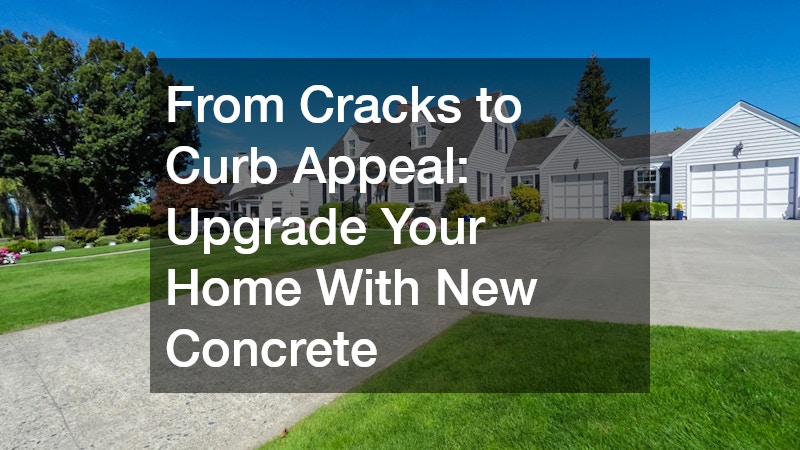
Concrete is one of the most visible and most relied-upon materials in any residential property. Driveways support daily traffic, pool decks manage water and safety, and porches and patios shape how homeowners actually live in their space. When those surfaces crack, sink, or age poorly, they don’t just look bad—they undermine function, safety, and property value.
Many homeowners delay concrete upgrades because the damage feels “manageable.” Small cracks, slight settling, or surface discoloration are easy to ignore—until they grow into trip hazards, drainage problems, or expensive structural repairs. At that point, cosmetic fixes no longer work, and replacement becomes unavoidable.
Working with a local paving company to upgrade your home with new concrete is one of the most practical improvements you can make. It delivers immediate visual impact, long-term durability, and a strong return on investment when done correctly. This guide breaks down where new concrete makes the biggest difference, how proper preparation protects that investment, and why ongoing maintenance is essential for keeping concrete looking—and performing—like new.
Laying Concrete for a Durable, Attractive Driveway
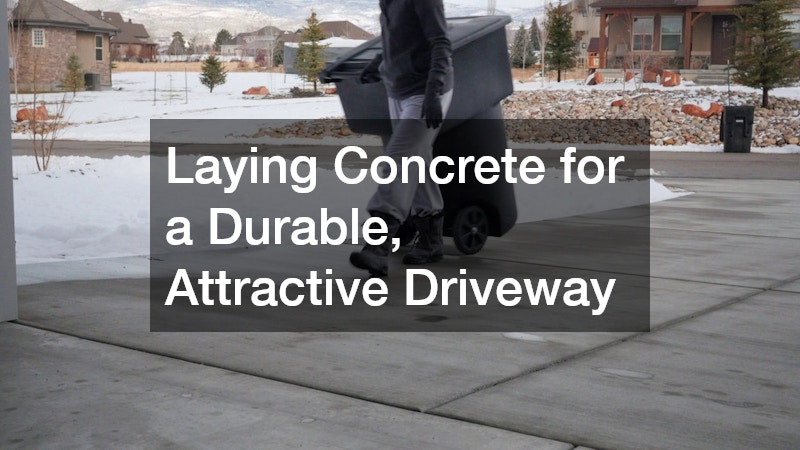
The concrete driveway is often the first concrete surface people notice, and it’s one of the most abused. Vehicle weight, oil drips, temperature swings, moisture intrusion, and poor drainage all take their toll over time. Hairline cracks can quickly widen, edges can crumble, and uneven slabs can create both safety risks and curb appeal issues.
Laying concrete for a driveway starts with engineering, not aesthetics. Proper excavation removes unstable soil, while compacted subgrade creates a uniform base that distributes weight evenly. Reinforcement—whether rebar, wire mesh, or fiber additives—adds tensile strength that helps the slab resist cracking under load and thermal movement.
Thickness is another critical factor. Residential driveways typically require a thicker slab than sidewalks or patios, especially in areas with frequent vehicle traffic or heavier trucks. Skimping on thickness may reduce upfront costs, but it almost always leads to premature failure.
Once the foundation is properly built, design options come into play. Homeowners can choose from classic broom finishes for traction, exposed aggregate for texture and durability, or stamped concrete for a more decorative look. Control joints are strategically placed to guide natural cracking and preserve the slab’s appearance. A concrete driveway installed by a professional paving company doesn’t just look clean and modern—it functions reliably for decades with minimal upkeep.
Laying Concrete for Pools and Pool Decks
Concrete around in ground pools must balance durability, safety, and drainage. Pool decks are constantly exposed to water, pool chemicals, sunlight, and foot traffic, making installation quality especially important. Poorly laid concrete can become slick, crack prematurely, or direct water toward the pool structure or home foundation.
Laying concrete for in-ground pools requires precise grading to ensure water flows away from the pool and nearby structures. Standing water isn’t just a slip hazard—it accelerates surface deterioration and increases the risk of freeze-thaw damage in colder climates. Expansion joints are essential to allow the concrete to move without cracking as temperatures fluctuate.
Surface finish is another major consideration. Pool decks need slip resistance without being abrasive. Textured concrete finishes, light broom patterns, or specialty coatings can improve traction while remaining comfortable under bare feet. Color selection also matters; lighter tones reduce heat absorption and make pool areas more comfortable during hot weather.
Concrete offers versatility that other pool deck materials often can’t match. It integrates seamlessly with coping, landscaping, and outdoor living features while maintaining structural stability. When installed correctly, a concrete pool deck enhances safety, controls drainage, and creates a cohesive outdoor environment built to withstand constant exposure.
Laying Concrete for Porches and Patios
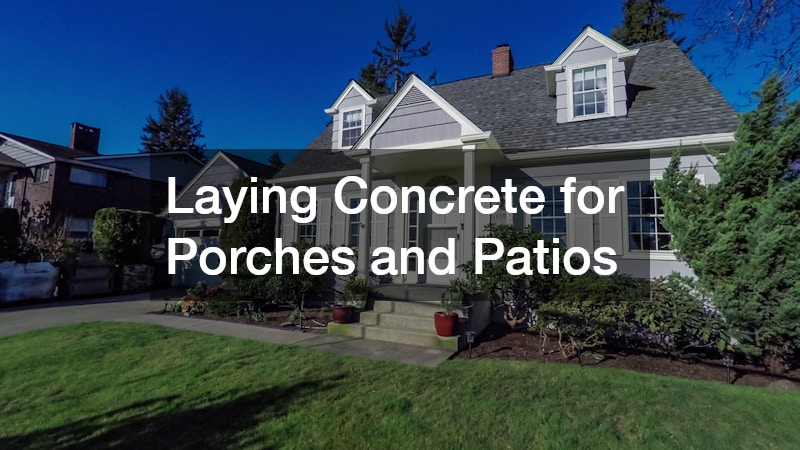
Concrete is the backbone of many outdoor living upgrades. Whether it’s a front porch that frames the home’s entrance or an enclosed patio that extends usable living space, the quality of the concrete foundation determines how well the area performs over time. High-quality concrete not only provides structural support but also enhances comfort, safety, and usability for years to come.
Laying concrete for porches requires careful attention to slope and elevation. Even slight miscalculations can cause water to drain toward the home instead of away from it, increasing the risk of moisture intrusion and foundation damage. Proper reinforcement is especially important where porches connect to existing structures, as differential movement can lead to cracking if not addressed. Additionally, contractors often consider local climate conditions—such as freeze-thaw cycles or heavy rainfall—when selecting concrete mixes and reinforcement methods, ensuring the slab withstands seasonal stresses.
Enclosed patios place additional demands on concrete slabs. These spaces may support walls, windows, or roofing systems, making load-bearing capacity a key factor. The slab must be level, stable, and designed to handle both structural weight and long-term use. Concrete slabs for enclosed patios can also incorporate radiant heating systems or plumbing for outdoor kitchens, further enhancing functionality and value.
Concrete also allows homeowners to customize these spaces aesthetically. Finishes can match existing hardscapes for continuity or be styled to define the porch or patio as a distinct living area. Decorative options, such as stamping, staining, or scoring, give the space character while remaining low-maintenance. With proper installation, concrete porches and enclosed patios resist weather damage, support heavy foot traffic, and provide a durable foundation for future upgrades. Over time, well-installed concrete continues to enhance both the utility and visual appeal of outdoor living spaces, making them a true extension of the home.
Preparation Comes First
Concrete failures often start below the surface. No matter how well concrete is poured or finished, poor site preparation almost guarantees problems down the road. Two of the most overlooked factors in residential concrete projects are tree roots and underground plumbing. These hidden issues may not cause immediate damage, but they frequently lead to cracking, shifting, or uneven settling years after installation.
Tree removal is often necessary before laying new concrete. Tree roots naturally seek moisture and can extend far beyond the visible canopy. As roots grow, they exert upward pressure that lifts and cracks concrete slabs. Even if a tree appears harmless today, its root system can cause significant damage years later. This is especially common in older neighborhoods where mature trees were planted long before hardscaping was added.
Removing trees and grinding stumps eliminates this risk and allows contractors to properly grade and compact the soil. In some cases, root barriers may be used, but full removal is often the most reliable long-term solution when trees are close to planned concrete surfaces. Proper removal also prevents future root regrowth that can undermine newly poured slabs.
Coordination with a plumbing company is equally critical. Underground water lines, sewer connections, and drainage systems must be identified and addressed before concrete is poured. Failing to account for plumbing access can result in costly demolition if repairs are needed later. A professional approach ensures pipes are protected, rerouted, or upgraded before the slab is installed. It also allows contractors to improve drainage solutions that reduce water accumulation beneath the concrete.
Additional preparation steps—such as soil stabilization, moisture control, and grading—create a stable base that supports concrete evenly. These steps aren’t visible once the project is complete, but they’re essential to the slab’s longevity and performance. Investing in proper preparation significantly reduces the risk of premature failure and protects the overall value of the project.
Maintenance Matters
New concrete is durable, but it isn’t maintenance-free. Ongoing care plays a major role in how long concrete lasts and how well it retains its appearance. The two most important components of concrete maintenance are surface preparation for sealing and routine cleaning. Skipping maintenance doesn’t usually cause immediate failure, but it accelerates wear and shortens the usable life of the slab over time.
Concrete surface prep for sealing begins with a clean, dry slab. Dirt, oil stains, mildew, and residue prevent sealers from bonding effectively. Small cracks and surface imperfections should be repaired beforehand to prevent moisture from penetrating the concrete. Proper preparation ensures the sealer adheres evenly, rather than trapping contaminants that can lead to discoloration or peeling.
Sealing adds a protective barrier that resists water intrusion, stains, chemical damage, and UV exposure. This is especially important for driveways, pool decks, and patios that face constant exposure to the elements. In climates with temperature swings, sealing also helps reduce damage caused by freeze-thaw cycles. Sealed concrete is easier to clean and less prone to surface deterioration, which lowers long-term maintenance effort.
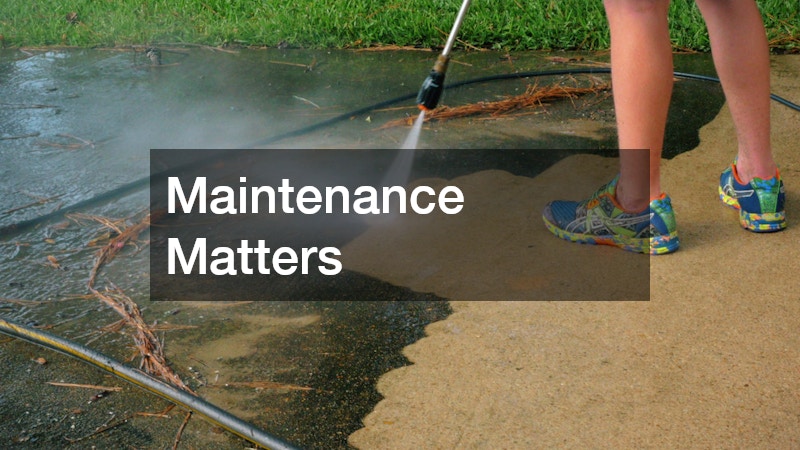
Hiring a professional pressure washing service is one of the most effective ways to maintain concrete surfaces. Pressure washing removes embedded grime, algae, and contaminants that degrade the surface over time. It also restores the concrete’s original appearance, making surfaces look newer without replacement. Professional services use appropriate pressure levels to clean effectively without damaging the surface.
A consistent maintenance schedule extends the lifespan of concrete significantly. Pressure washing annually or as needed, combined with resealing every few years, helps homeowners avoid premature repairs and costly replacements. Regular maintenance also preserves traction and surface integrity, reducing safety risks in high-traffic or wet areas. Maintenance protects both the structural integrity and visual appeal of the investment.
Why Professional Concrete Installation Makes the Difference
Concrete may look simple once it’s finished, but successful installation is highly technical. Factors like weather conditions, mix ratios, curing time, and finishing techniques all influence the final outcome. Professional local paving companies understand how to adapt to these variables to ensure consistent, long-lasting results. They also know when conditions aren’t right to pour, which helps prevent surface defects, weak curing, or premature cracking that can shorten the life of the slab.
Experienced crews also manage coordination effectively. They handle tree removal, work alongside plumbing companies, and sequence preparation steps correctly to avoid delays or rework. This level of planning reduces risk and keeps projects on schedule. It also ensures that underground issues are addressed before concrete is placed, rather than discovered after the fact when repairs are far more disruptive and expensive.
Perhaps most importantly, professional installation provides accountability. Reputable contractors follow local codes, use proper materials, and stand behind their work. They understand permitting requirements, inspection processes, and regional construction standards that directly affect long-term performance. That assurance is difficult to match with DIY or low-cost approaches that often result in early failure, uneven surfaces, or costly corrective work down the line.
Concrete as a Long-Term Investment in Your Home
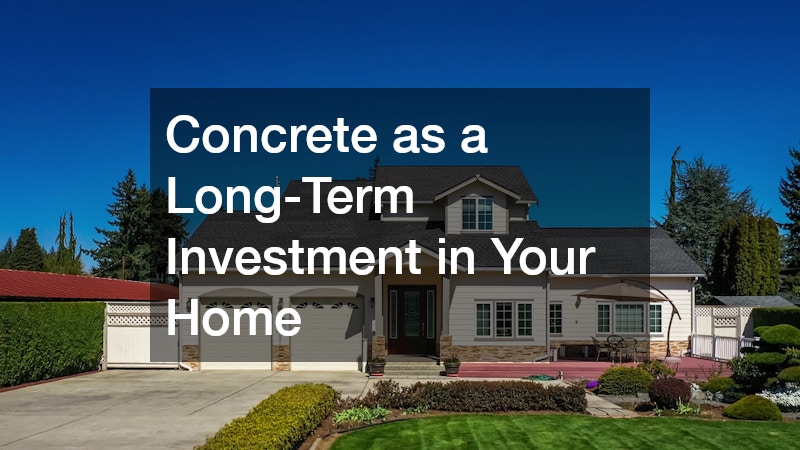
Concrete upgrades aren’t just cosmetic—they’re structural improvements that affect daily use and long-term property value. A new driveway improves first impressions and functionality. A properly installed pool deck enhances safety and outdoor enjoyment. Well-built porches and patios expand living space without the cost of a full addition.
Concrete also performs well over time compared to many alternative materials. It resists pests, fire, and weather damage while requiring less frequent replacement. When paired with proper maintenance, concrete surfaces can last decades with minimal intervention. This durability makes concrete a predictable, low-risk investment for homeowners planning long-term occupancy or future resale. Unlike materials that warp, rot, or fade quickly, concrete maintains its performance and appearance with relatively modest upkeep.
From a resale perspective, clean, well-maintained concrete signals quality and care to potential buyers. It reduces perceived maintenance needs and contributes to a property’s overall condition and curb appeal. Buyers often view new or well-kept concrete as an indicator that other major systems have also been properly maintained. In competitive markets, that perception can directly influence buyer confidence, offers, and time on market.
Cracked, uneven concrete doesn’t have to define your property. With professional installation, thoughtful preparation, and routine maintenance, new concrete transforms both how your home looks and how it functions. It creates safer surfaces, cleaner lines, and outdoor spaces that feel intentional rather than worn down. Well-executed concrete projects also provide peace of mind, knowing that the investment is built to withstand daily use, seasonal changes, and the test of time.
Upgrading your home with new concrete is about more than fixing what’s broken. It’s about building surfaces that last, support your lifestyle, and elevate curb appeal for years to come. Beyond aesthetics, quality concrete improves safety for family members and visitors, reduces ongoing maintenance costs, and can even enhance property value. The durability and versatility of concrete make it an ideal foundation for future home improvements or landscaping projects. When done right, concrete isn’t just a repair—it’s a foundation for better living. It’s an investment that pays dividends in function, beauty, and long-term confidence in your home.