When homeowners think about increasing property value, they often imagine massive remodeling projects with equally massive price tags. In reality, many of the upgrades that make the biggest difference are practical improvements that protect the home, improve daily living, and create a better first impression.
Buyers notice homes that feel well cared for. They pay attention to drainage, roofing, landscaping, outdoor usability, and signs of ongoing maintenance. Even if they cannot immediately identify every improvement, they can sense when a property feels safer, cleaner, and more functional.
The good news is that homeowners do not always need luxury renovations to see meaningful returns. Strategic upgrades completed over time can strengthen curb appeal, reduce future repair costs, and help a home stand out in a competitive market. The key is focusing on improvements that solve real problems while also making the property more enjoyable to live in.
Another important factor is market competition. In many neighborhoods, buyers compare multiple homes within a short period of time. A property that appears clean, updated, and properly maintained naturally creates more confidence than one showing obvious wear and deferred maintenance. Even relatively small improvements can influence how quickly a home sells and how strongly buyers respond during negotiations.
Creating a Stronger First Impression Outside the Home
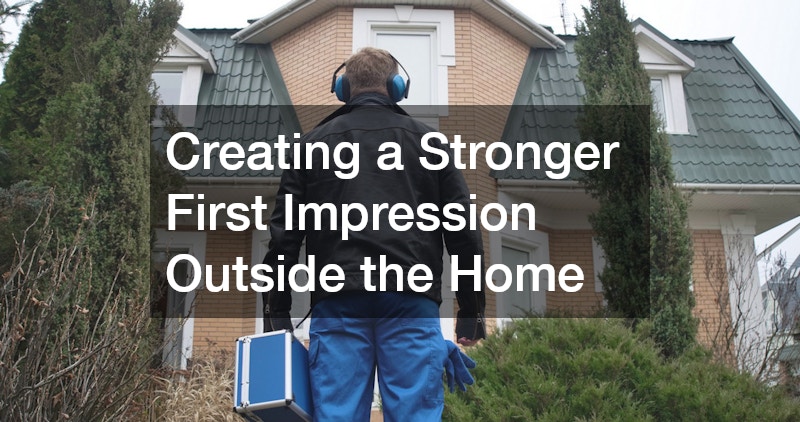
The exterior of a home shapes a buyer’s opinion before they ever walk through the front door. A property with neglected landscaping or obvious hazards can feel overwhelming, even if the interior is beautifully updated.
One of the fastest ways to improve appearance is by addressing overgrown vegetation. Mature trees can be beautiful assets, but when branches block windows, hang over the roofline, or crowd the yard, the home may appear darker and less maintained. Professional tree service can dramatically improve the overall look of a property in a single day by opening sightlines and creating a cleaner landscape design.
Homeowners sometimes underestimate how much sunlight affects buyer perception. A brighter yard often feels larger, safer, and more inviting. Strategic trimming can also highlight architectural details that were previously hidden behind heavy growth.
In some cases, more extensive action is necessary. Dead, unstable, or damaged trees can become serious liabilities. A leaning tree or one with exposed roots may raise concerns about storm damage, foundation problems, or future repair costs. This is where tree removal becomes an investment rather than an expense.
Imagine a homeowner preparing to sell after several years in the same property. They repaint the interior, replace fixtures, and update landscaping, but buyers continue mentioning the dying tree near the driveway. The issue lingers in every showing because it creates uncertainty. Once the hazardous tree is removed, the home suddenly feels more open and secure.
Smaller exterior improvements can further strengthen curb appeal:
- Refresh mulch and edge garden beds
- Replace damaged house numbers or mailbox fixtures
- Pressure wash walkways and siding
- Add low-maintenance native plants
- Upgrade exterior lighting near pathways
None of these projects requires a luxury-level budget, yet together they create a property that feels intentionally maintained.
Preventing Water Damage Before It Starts
Some of the highest-value upgrades are the ones buyers never fully notice because they quietly prevent expensive problems from developing.
Water management falls into this category. Poor drainage can damage siding, stain foundations, ruin landscaping, and eventually create structural concerns. Homes with visible water issues often lose buyer confidence immediately.
One of the smartest preventative upgrades homeowners can make is improving roof drainage systems. Proper gutter installation helps direct rainwater safely away from the home, protecting both the structure and the surrounding property. Older or poorly positioned gutters may overflow during storms, causing gradual erosion or moisture intrusion.
Many homeowners only think about gutters when they begin leaking. By then, fascia boards or landscaping may already be damaged. Upgrading to properly sized systems with secure downspouts helps avoid these long-term issues while also improving the appearance of the roofline.
Drainage problems inside the home deserve equal attention. Slow sinks, unpleasant odors, and recurring backups may seem minor initially, but clogged drains can signal deeper plumbing issues that buyers may view as red flags.
A small kitchen backup might not appear urgent today, but repeated drainage problems can lead to pipe corrosion, hidden leaks, or water damage behind walls. Addressing these issues early is far less expensive than waiting until major repairs become unavoidable.
Homeowners can reduce future plumbing problems through simple habits:
- Avoid pouring grease into drains
- Install drain screens in bathrooms and kitchens
- Flush drains periodically with hot water
- Schedule inspections if backups become frequent
- Address slow drainage before it worsens
These maintenance practices may not seem glamorous, but they protect the integrity of the property. Buyers appreciate homes that show evidence of consistent care rather than deferred maintenance.
Improving Structural Features That Buyers Immediately Notice

Certain upgrades create instant reassurance during a home showing. Buyers may not understand every technical detail, but they recognize when major structural elements appear updated and reliable.
Roofing is one of the clearest examples. An aging roof can overshadow every other improvement in the home because buyers immediately calculate future replacement costs. Even if the interior is fully renovated, visible roofing wear may create hesitation.
A well-timed roof replacement can significantly improve both resale value and buyer confidence. Modern roofing materials often provide better insulation, improved storm resistance, and longer lifespans than older systems.
Homeowners considering roofing upgrades should evaluate:
- Missing or curling shingles
- Interior water stains
- Sagging rooflines
- Granule loss in gutters
- Higher-than-normal energy bills
Choosing durable materials matters as much as completing the project itself. Buyers increasingly value products that offer long-term efficiency and weather protection rather than simply the cheapest option available.
Ground-level surfaces deserve attention as well. Cracked driveways, uneven walkways, and deteriorating patios can make a property feel neglected even when the house itself is in good condition. Damaged concrete surfaces also raise safety concerns for families with children or older adults.
Fortunately, homeowners do not always need full replacement projects. Resurfacing, patching, and sealing can dramatically improve appearance without the cost of entirely new installations.
A homeowner might spend months updating interior finishes while overlooking the broken walkway leading to the entrance. Yet buyers experience the walkway before anything else. Small exterior repairs often produce outsized emotional impact because they shape expectations from the very beginning.
Well-maintained surfaces also suggest broader responsibility. Buyers tend to assume that homeowners who care for visible structural details are also maintaining less visible systems behind the scenes.
Making Outdoor Spaces More Functional and Enjoyable
Modern buyers increasingly value outdoor living space. Backyards are no longer viewed simply as unused open areas; they are extensions of the home itself.
Fortunately, creating functional outdoor spaces does not always require expensive construction projects. Thoughtful design and creative reuse of materials can transform ordinary yards into attractive gathering areas.
One increasingly popular option involves using wood pallets for outdoor furniture and decorative features. With basic tools and planning, homeowners can create benches, vertical gardens, coffee tables, or privacy screens at relatively low cost.
The appeal of these projects comes from their flexibility. A homeowner can personalize outdoor areas without committing to major structural renovations. In smaller yards, especially, modest seating areas can make the property feel more usable and inviting.
Simple upgrades often produce strong results:
- String lighting around patios
- Gravel seating zones with fire pits
- Raised planter boxes
- Outdoor dining areas
- Painted privacy fencing
These changes encourage buyers to imagine themselves using the space rather than merely observing it.
For homeowners seeking larger investments, pool installation may become a worthwhile value-add depending on the region and neighborhood. In warmer climates, especially, pools can increase appeal by creating resort-style outdoor environments.
However, not every pool project automatically increases value. Buyers tend to favor pools that appear manageable, safe, and integrated into the yard design. An oversized or poorly maintained pool can actually discourage interest.
Homeowners considering this route should focus on long-term practicality. Features such as energy-efficient pumps, secure fencing, and easy-maintenance finishes often matter more than elaborate decorative additions.
There is also emotional value in outdoor upgrades that should not be overlooked. A thoughtfully designed backyard encourages entertaining, relaxation, and family activities. Buyers respond strongly to spaces that feel livable rather than staged.
Addressing Hidden Problems Before Buyers Discover Them
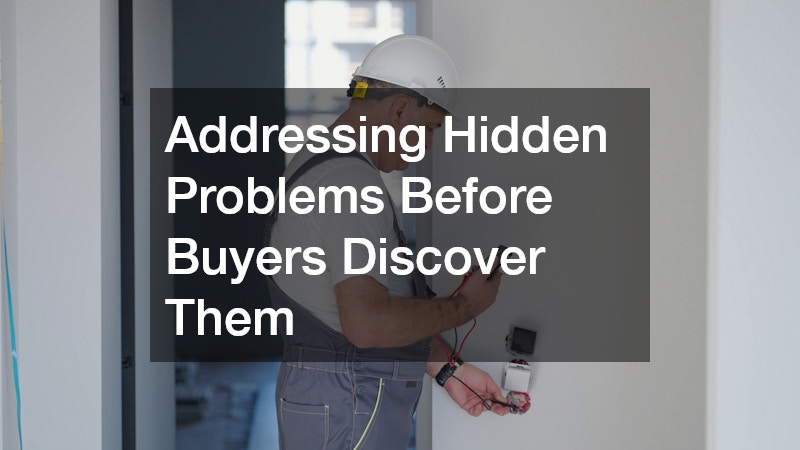
Some of the most damaging home issues are the ones that remain invisible until inspections uncover them. Moisture-related problems fall squarely into this category.
A home may look spotless during a showing while still hiding significant air quality or water intrusion concerns. Buyers who discover these problems later often renegotiate aggressively or walk away entirely.
Scheduling a mold inspection service before listing a property can help homeowners identify issues early and avoid surprises during negotiations. Even minor moisture problems can create concerns about health risks, ventilation quality, or hidden structural damage.
Common warning signs include:
- Musty odors
- Condensation around windows
- Discolored drywall
- Warped flooring
- Persistent humidity indoors
Sometimes the root cause extends beyond the interior itself. Poor airflow around the home can trap moisture near siding, roofing, or crawlspaces. Dense vegetation may worsen these conditions by limiting sunlight and slowing evaporation.
Strategic tree cutting can improve ventilation around the property while reducing debris accumulation on roofs and gutters. Trimming branches away from the home also decreases the likelihood of storm damage and moisture retention.
This type of preventative maintenance rarely generates dramatic before-and-after photos, yet it plays a major role in protecting long-term property value.
Consider the experience of a homeowner who repeatedly repaints an exterior wall without realizing that nearby overgrowth is trapping moisture against the siding. The cosmetic fixes continue failing because the underlying environmental issue remains unresolved. Once the surrounding vegetation is properly thinned, the moisture problems finally improve.
Buyers appreciate homes that demonstrate proactive maintenance rather than reactive repairs. Addressing hidden risks early sends a strong message about overall property care.
Combining Smaller Projects for Greater Overall Impact
One common mistake homeowners make is assuming value only comes from large renovations. In reality, several smaller improvements completed strategically can produce stronger returns than one oversized project.
The most effective approach often involves layering practical upgrades over time. Instead of spending an entire budget on cosmetic changes, homeowners can balance appearance improvements with preventative maintenance and functional upgrades.
For example, a homeowner preparing to sell within two years might focus on:
- Repairing drainage concerns
- Refreshing landscaping
- Updating exterior lighting
- Repainting worn trim
- Fixing cracked walkways
- Improving storage or outdoor seating
Individually, these projects may seem modest. Together, they create a property that feels reliable, cared for, and move-in ready.
Timing also matters. Waiting until major systems fail usually increases overall costs. Replacing damaged materials early prevents surrounding problems from developing. Preventive maintenance nearly always costs less than emergency repair work.
Homeowners should also resist chasing design trends too aggressively. Ultra-specific aesthetics can date quickly and narrow buyer appeal. Neutral, functional improvements generally produce better long-term value.
A practical way to prioritize upgrades is by asking three questions:
- Does this project improve safety or functionality?
- Will buyers notice the improvement quickly?
- Could delaying the project create larger future expenses?
Projects that answer “yes” to all three questions often provide the best return on investment.
Another important consideration is neighborhood alignment. Over-improving far beyond surrounding properties may limit financial returns. A luxury outdoor kitchen in a modest neighborhood, for instance, may not increase resale value proportionally.
Balanced upgrades tend to perform best because they enhance the home while remaining consistent with buyer expectations for the area.
Building Long-Term Value Through Smarter Decisions
Increasing property value does not require transforming a home into a luxury showcase. In many cases, the smartest investments are the ones that improve durability, efficiency, safety, and daily usability.
Buyers notice properties that feel maintained. They respond positively to homes with clean landscaping, functional drainage, updated structural elements, usable outdoor space, and evidence of preventative care. Even relatively modest improvements can create a powerful cumulative effect when chosen strategically.
Homeowners who focus on solving real problems rather than simply following trends often see stronger long-term returns. A safer roof, healthier drainage system, cleaner exterior, or better-managed landscape may not feel flashy, but those upgrades directly influence how buyers evaluate the property.
The most valuable improvements are usually the ones that make a home easier to live in today while protecting its future tomorrow.