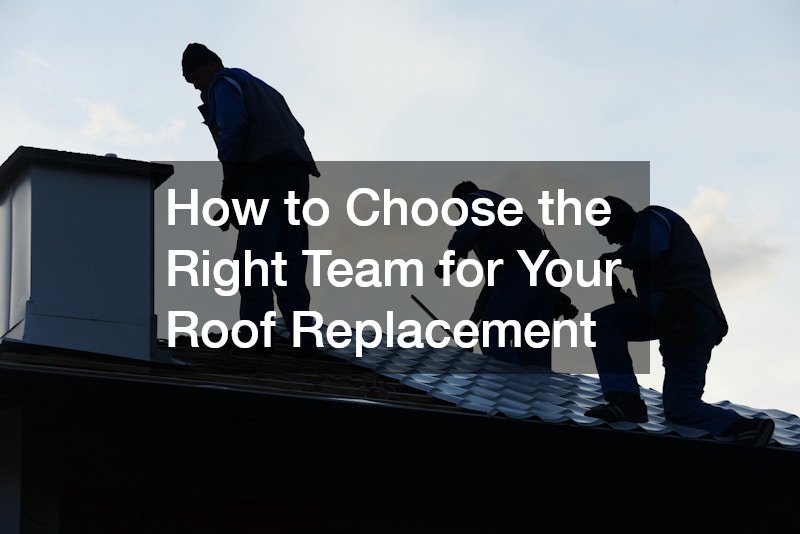
Replacing a residential roof is one of the most significant financial and structural commitments a homeowner will ever undertake. Your roof is not merely an aesthetic crown for your property; it is a complex, multi-layered engineering system that serves as the primary shield protecting your family, your memories, and your entire financial investment from the unforgiving elements. When a roof reaches the end of its natural lifespan or suffers catastrophic weather damage, the pressure to act quickly can be immense. However, rushing into this decision without a rigorous vetting process can lead to devastating long-term consequences.
The modern roofing marketplace is unfortunately filled with varying levels of expertise, ranging from elite, factory-certified craftsmen to transient, under-insured operations that disappear the moment a warranty claim arises. Choosing the wrong crew can result in chronic leaks, accelerated material degradation, voided manufacturer warranties, and structural rot that costs tens of thousands of dollars to remediate. To protect your home and your peace of mind, you must approach this project with a structured, analytical strategy. This comprehensive guide provides an actionable roadmap to help you evaluate your home’s needs, identify legitimate industry professionals, decipher complex financial bids, and manage the installation process with absolute confidence.
Initial Assessment: Evaluating Your Home’s Current Condition
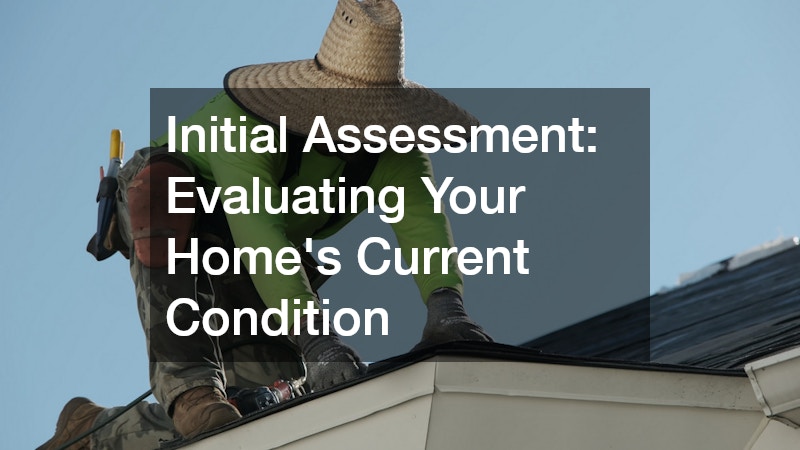
Before you begin reaching out to local companies, you must establish a baseline understanding of your roof’s actual physical health. Homeowners often find themselves in a vulnerable position because they cannot easily see the top of their structure, making it vital to know what signs to look for from the ground and within the attic.
Spot the Warning Signs of Failing Materials
A roof rarely fails without dropping subtle hints over many months or even years. Developing an eye for these early warning signs allows you to address the issue before a minor structural weakness transforms into an internal flooding disaster.
- Inspect the Shingles: Look closely for shingles that are visibly curling at the edges, buckling in the center, or missing entirely after high winds.
- Check for Granule Loss: Examine your gutters and downspout splash blocks for an accumulation of dark, sandy granules, which indicate that the protective asphalt coating is washing away.
- Examine the Flashing: Inspect the metal seals around chimneys, skylights, and roof valleys to ensure they have not rusted, cracked, or pulled away from the structure.
- Look Upward Indoors: Go into your attic with a flashlight during a heavy rainstorm to check for active dripping, damp insulation, or dark water staining along the wooden rafters.
Secure an Objective Condition Assessment
While a personal visual scan from the ground is an excellent starting point, a comprehensive evaluation requires climbing onto the structure with specialized diagnostic tools.
Before committing thousands of dollars to a major property overhaul, hiring an independent professional to conduct an official roof inspection is the smartest introductory step you can take. A certified technician can safely walk the surface, check the structural integrity of the underlying decking, examine the ventilation efficiency, and determine whether simple, targeted repairs will suffice or if a total roof replacement is truly necessary to preserve the safety of your household.
Market Research: Identifying Qualified Industry Professionals
With a clear diagnostic assessment in hand, your next phase is to survey the local marketplace to compile a list of reputable contractors. This phase requires strict skepticism, as credentials must be thoroughly verified rather than accepted at face value.
Verify Legitimacy, Credentials, and Insurance
The roofing industry has a low barrier to entry, which, unfortunately, attracts uncertified handymen who style themselves as structural experts. Your primary goal during market research is to eliminate high-risk entities before they ever set foot on your lawn.
- Demand Active Licensing: Verify that the company holds a current, unrestricted state contractor’s license specifically registered for structural residential work.
- Check Insurance Coverage: Request certified copies of both general liability insurance (to protect your home from accidental damage) and workers’ compensation insurance (to protect you from lawsuits if a worker is injured on your property).
- Confirm a Local Footprint: Look for companies with an established, physical brick-and-mortar office and a verifiable history of operating within your local community for at least five consecutive years to avoid transient “storm chasers.”
Match Company Expertise to Your Project Scope
Different roofing companies specialize in vastly different architectural applications, meaning a crew that excels at simple commercial flat roofs might lack the nuance required for intricate residential historical homes.
- Seek Factory Certifications: Look for a reputable roofing contractor who has achieved elite tier status with major material manufacturers, as these designations allow them to offer extended non-prorated structural warranties.
- Inquire About the Crew: Ask whether the company uses unified, factory-trained employees or relies heavily on unverified third-party subcontractors who may not follow consistent safety and quality protocols.
- Verify On-Site Skill: Ensuring that the active, boots-on-the-roof roofers assigned to your home possess specific experience with your chosen material ensures that critical waterproofing layers, starter strips, and ridge vents are aligned flawlessly according to engineering standards.
Material Mastery: Aligning Project Needs With Crew Experience

The lifespan and performance of your new roof depend heavily on the materials you select and your crew’s specific familiarity with installing those specific architectural systems. Modern residential architecture offers an array of high-performance materials designed to suit different climates and budgets.
Evaluate Advanced Material Options for Longevity
While traditional three-tab asphalt shingles remain a popular budget-conscious choice, upgrading to modern architectural components can significantly extend the time before your next structural overhaul.
- Architectural Shingles: These multi-layered composite pieces offer a distinct dimensional appearance, excellent wind resistance, and a significantly longer operational lifespan than basic flat shingles.
- Premium Metal Panels: For homeowners prioritizing extreme longevity and energy efficiency, investing in premium metal roofing is a spectacular choice. However, because metal expands and contracts significantly with temperature shifts, installing it requires specialized tools, custom flashing machinery, and a crew specifically trained in standing-seam fastening techniques.
Maximize Severe Weather Resistance and Insurance Discounts
In an era of increasingly volatile weather patterns, your material selection should focus heavily on wind mitigation, impact resistance, and structural reinforcement.
- Focus on Impact Ratings: Select materials that carry a Class 4 impact resistance rating, which indicates they can withstand severe hail strikes without cracking or fracturing the internal fiberglass mat.
- Partner with Certified Specialists: Working with a highly experienced residential roofer who understands advanced wind-uplift mechanics allows you to transform your home’s skeletal defense structure.
- Upgrade Your Standards: By choosing a team trained in fortified roof system guidelines, you can implement enhanced ring-shank nailing patterns, sealed roof deck tapes, and locked-down drip edges that qualify your property for a certified designation, securing substantial, permanent discounts on your annual homeowners’ insurance premiums.
Financial Transparency: Comparing Bids and Quotes Methodically

Once you have narrowed down your list to two or three highly qualified contractors, it is time to request formal financial proposals. Evaluating these documents requires looking far beyond the final bottom-line number.
Request Detailed, Line-Item Breakdowns
A vague, single-page estimate that simply lists a lump-sum price is a major warning sign. A professional contract should be transparent, comprehensive, and clear, detailing exactly where every dollar of your investment is being allocated.
- Material Quantities: Ensure the bid specifically lists the brand, line, and color of the shingles, underlayment, and ice-and-water shields being used.
- Plywood Replacement Rates: The contract must explicitly state the cost per square foot or per sheet for replacing any rotted roof decking discovered during the teardown phase.
- Disposal and Permits: Verify that the cost of municipal building permits, dumpster rentals, landfill disposal fees, and final site cleanup are completely wrapped into the initial written agreement.
Analyze and Cross-Reference Proposals Methodically
It is standard practice to gather at least three independent roof estimates from different companies to establish a clear, accurate baseline for local labor and material costs within your market.
- Beware of Low Bids: If one bid is thousands of dollars cheaper than the others, it rarely means you are getting a bargain. Instead, it frequently indicates that the company is cutting critical corners, using uncertified labor, omitting proper flashing replacement, or carrying inadequate insurance coverage.
- Evaluate Warranty Values: Compare the length and scope of the workmanship warranties offered by each company, balancing the contractor’s labor guarantee against the manufacturer’s product warranty.
Project Execution: Navigating the Tearing Off and Installation Phases
Once you sign a contract and schedule a start date, your role transitions from a researcher to an active manager of your property’s environment. A roof replacement is a loud, intensive construction project that temporarily transforms your yard into an industrial job site.
Prepare Your Property and Family for Construction Day
Taking proactive measures before the construction trucks arrive at your driveway will protect your personal belongings, minimize stress for your household, and allow the installation crew to work efficiently.
- Clear the Driveway: Move all personal vehicles, trailers, and boats far down the street to give the delivery trucks and heavy tear-off dumpsters unhindered access to the roofline.
- Protect the Landscaping: Cover delicate shrubbery, prize flowerbeds, and expensive patio furniture with heavy canvas tarps to shield them from falling debris and stray fasteners.
- Secure the Interior: The continuous vibrations from heavy hammers can shake your home’s walls. Take down fragile picture frames, mirrors, and delicate shelving items throughout your upper living spaces before work commences.
Monitor Key Milestones for Structural Integrity
While you should leave the actual physical labor to the professionals, knowing the critical phases of a new roof install allows you to monitor the progress intelligently and ensure no vital steps are omitted.
- Verify Complete Teardown: Ensure the crew strips away all old layers of roofing down to the bare wooden decking. Installing new shingles over an old layer is a poor practice that traps heat, hides structural rot, and voids modern material warranties.
- Inspect the Decking: Watch to ensure that any water-damaged, sagging, or rotted plywood sheets are completely cut out and replaced with fresh structural panels before the new underlayment is rolled out.
- Check the Flashing and Underlayment: Confirm that a self-healing ice-and-water shield is applied generously in all valleys, eaves, and around chimneys before the main shingle installation begins to provide secondary waterproofing defense.
Post-Project Verification: Securing Your Investment Long-Term

The physical shingles may be nailed down, but the project is not officially complete until you perform a final quality verification and secure your closing documentation.
Establish Comprehensive Workmanship Warranties
Before handing over your final milestone payment, you must walk the perimeter of the property with the project manager to verify that the workmanship meets your expectations.
- Verify Site Cleanup: Ensure the crew conducts multiple passes with a heavy-duty magnetic sweep bar across your lawn, driveway, and landscaping to collect dropped nails and metal scraps.
- Collect Your Documents: Secure your official written lien waivers from both the contractor and the material suppliers, alongside your signed municipal building department inspection pass.
- Confirm Long-Term Support: Retaining a dedicated company to handle your ongoing roofing services ensures you have a trusted partner to perform annual maintenance checks, clear out debris dams, and preserve the structural integrity of your warranty agreements for the remainder of your home’s lifespan.
Conclusion
Choosing the right team for a comprehensive structural upgrade is a multi-step process that demands patience, detailed research, and a refusal to settle for substandard labor standards. Because your roof serves as the literal shield protecting everything you value beneath it, cutting corners during the hiring phase to save a few dollars short-term often leads to catastrophic financial complications down the road. By implementing a systematic approach—from obtaining objective structural inspections and verifying corporate legitimacy to analyzing financial line items methodically—you effectively eliminate high-risk operators from your consideration pool.
When you invest the time required to partner with true, licensed specialists, the dividends are realized in the enduring safety, efficiency, and beauty of your home. A properly installed modern roof system provides exceptional daily peace of mind, knowing that your structural envelope is engineered to withstand the most severe environmental stresses. By taking control of the vetting process, setting clear expectations, and prioritizing long-term value over the lowest initial bid, you transform a potentially stressful home improvement crisis into a highly successful asset upgrade that protects your household for decades to come.