
The hidden drain of homeownership is rarely the mortgage itself. When you buy a house, you lock in a predictable principal and interest payment, allowing you to budget with relative confidence. The real volatility lies in the constant, unpredictable drip of ongoing maintenance. A water heater bursts in the middle of the night, an electrical panel begins to flicker during a summer storm, or a minor draft over winter balloons into a massive utility bill.
Most homeowners take a fundamentally reactive approach to managing their properties. They wait for a component to completely break down before calling a professional. While this avoids an upfront expense, it inevitably results in emergency service premiums, premium rush-shipping rates for parts, and compounding collateral damage to the surrounding structure. A small plumbing leak left unaddressed does not just require a pipe patch; it demands drywall removal, mold remediation, and structural drying.
The good news is that you can break this stressful cycle. By shifting your mindset from reactive repair to proactive fortification, you can eliminate the vast majority of surprise household expenses. Investing a modest amount of capital into targeted, affordable upgrades will allow you to lower your monthly utility obligations, protect your home from major failures, and slash long-term upkeep expenses.
Upgrade to Low-E Glass and Heavy-Duty Weatherstripping

Controlling the climate inside your home requires keeping the outdoor elements exactly where they belong. Traditional single-pane glass or failing double-pane units lose immense amounts of heat through radiant transfer. Over time, the seals around your sashes degrade, creating invisible avenues for conditioned air to escape.
- The Candle Test: On a windy day, light a candle and slowly move it around the edges of your windows. If the flame flickers or smoke dances horizontally, you have discovered a draft that is actively costing you money.
- Sealing the Gaps: Replacing old foam weatherstripping with high-density silicone or spring-metal V-strip seals provides a much tighter barrier against wind and rain. This is a low-cost weekend project that pays immediate dividends.
- Strategic Repairs: If the frames themselves are solid but the glass is failing, you do not necessarily need a total tear-out. Working with professional window contractors to replace just the glass units or foggy sashes can restore thermal efficiency at a fraction of the cost of a full replacement.
Install Smooth-Gliding, Thermal-Break Patio Access
Sliding patio doors are often the largest pieces of glass in a home, making them a primary culprit for thermal loss. As these heavy doors age, their rollers wear down, causing them to drag along the track. This friction doesn’t just make the door hard to open; it warps the frame and damages the weatherstripping, breaking the airtight seal.
- Thermal Breaks: Modern patio doors feature an insulating plastic or rubber barrier between the interior and exterior aluminum frames. This prevents heat from conducting directly through the metal, keeping your home warmer in the winter and cooler in the summer.
- Track Maintenance: Dirt, pet hair, and debris accumulate in patio door tracks, acting like sandpaper against the rollers. Cleaning the tracks and applying a dry silicone lubricant preserves the rolling mechanism.
- Professional Alignment: When a door becomes fundamentally misaligned due to house settling, simple adjustments may not suffice. Investing in certified sliding door installations ensures the heavy glass panels sit perfectly square within the frame, sealing out moisture and pests while preventing structural strain on the header.
Mitigate Hard Water Damage at the Main Intake
If your home has hard water, dissolved minerals like calcium and magnesium are constantly circulating through your plumbing system. When this water is heated, these minerals crystallize, forming a rock-hard scale that attaches to the inside of your pipes, water heater elements, and valves.
- The Cost of Scale: Scale buildup acts as an insulating blanket inside your water heater, forcing it to consume significantly more energy to heat the same amount of water. It also chokes down water pressure, putting added stress on every pipe joint in the house.
- Appliance Longevity: Washing machines and dishwashers that process hard water experience premature pump failures and clogged internal lines. Their internal heating elements burn out quickly when coated in mineral crust.
- The Ultimate Solution: Installing a centralized water filtration system at the point where water enters your home filters out these destructive minerals. By neutralizing hard water at the source, you protect your entire infrastructure, extending the lifespan of your plumbing and water-using appliances by several years.
Catch Minor Drips Before They Destruct

Many of the most devastating plumbing failures do not start with a loud bang; they begin with a pinhole leak behind a wall or a slow drip under a bathroom vanity that goes unnoticed for months until the subfloor rots out.
- Smart Leak Detectors: Placing small, battery-operated Wi-Fi leak sensors under sinks, behind refrigerators, and next to the washing machine provides an early warning system. These devices send an alert directly to your phone the second they detect a single drop of moisture.
- Pressure Management: High water pressure feels great in the shower, but anything over 80 PSI acts like a sledgehammer on your pipe connections and appliance valves. Installing a pressure-reducing valve can instantly safeguard your lines.
- Professional Inspections: While DIY monitoring handles visible areas, invisible lines require specialized oversight. Scheduling routine preventative maintenance with local plumbing services allows technicians to check your main shutoff valves, inspect exposed main lines, and verify that your drainage systems are flowing freely without hidden obstructions.
Optimize Your Winter Heating Grid
When a heating system struggles to warm a home, it usually runs continuously for extended periods, a phenomenon known as long-cycling. This constant operation accelerates mechanical wear on bearings, fans, and heat exchangers, leading to premature breakdown and high fuel consumption.
- Filter Management: A clogged air filter starves your heating system of airflow. This forces the motor to work harder, running hotter than designed and triggering safety switches that stress the electronics. Changing filters every ninety days is the simplest way to reduce mechanical strain.
- Flame Sensor Upkeep: A dirty flame sensor will cause your system to shut down repeatedly right after ignition. Cleaning this small metal rod with a piece of emery cloth can save you a standard emergency service call.
- System Upgrades: If your heating system is more than fifteen years old, it may operate at an efficiency rating as low as sixty percent. Researching modern, high-efficiency furnace installations can instantly slash your heating bills by up to one-third, paying for itself through lower utility costs and a brand-new warranty that eliminates repair outlays.
Keep Your Cooling Infrastructure From Overheating
Air conditioning systems do not actually create cold air; they remove heat from inside your home and dump it outdoors. If the outdoor condenser unit cannot breathe efficiently, heat builds up within the compressor, leading to catastrophic electrical and mechanical failures.
- Clear the Perimeter: Keep grass, weeds, shrubs, and outdoor storage at least two feet away from your outdoor air conditioning unit. Leaves and cottonwood seeds can quickly clog the delicate aluminum fins, choking off necessary airflow.
- Coil Maintenance: Dust and grime acting as an insulating layer on your indoor evaporator coil will prevent the refrigerant from absorbing heat efficiently. This can cause the system to freeze into a block of ice, potentially washing out the compressor motor with liquid refrigerant.
- Pre-Season Tuning: A low refrigerant charge makes your system run longer to achieve the same cooling effect. Booking an annual checkup with a reputable air conditioning service ensures your electrical connections are tight, your refrigerant levels are precise, and your condensate drain line is cleared of algae before summer demands peak performance.
Clear the Canopy and Fasten the Shingles
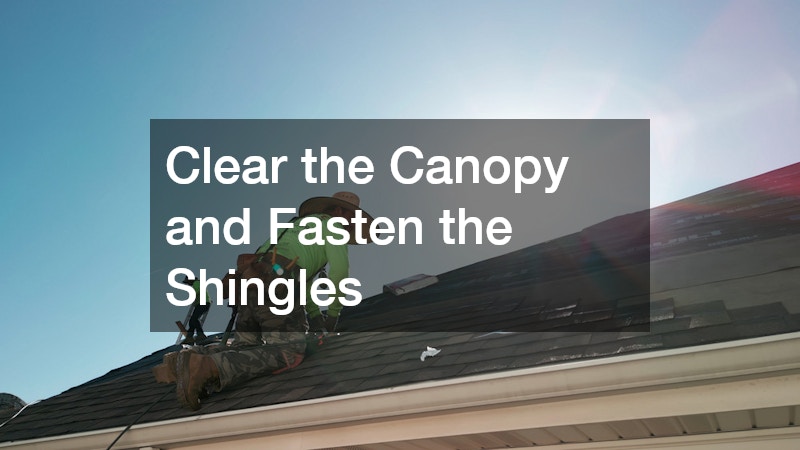
Your roof is designed to shed water quickly into your gutter system. When debris accumulates on the roof or within the troughs, water pools in places it shouldn’t, working its way underneath your shingles and rotting the underlying plywood deck.
- Gutter Overflows: When gutters clog, rainwater cascades over the sides, dropping directly next to your foundation. This can lead to basement flooding, soil erosion, and foundation settling, which cracks interior drywall.
- Moss and Algae: Moss holds moisture directly against the surface of a shingle. In freezing temperatures, this moisture expands, lifting the shingle edges and breaking the adhesive bonds that hold them down against high winds.
- Preventative Fortification: Periodically assessing your roof for loose shingles, cracked flashing, and exposed roofing nails prevents minor leaks from destroying your ceilings. Engaging professional roofing services for minor tune-ups and regular inspections can easily add five to ten years to the lifespan of your roof, delaying a massive capital expenditure.
Balance and Lubricate Your Automated Overhead Entry
The garage door is typically the largest and heaviest moving mechanical object in an entire home. It relies on a delicate balance of track alignment, roller rotation, and spring tension to open and close safely thousands of times per year.
- Track Lubrication: Never use heavy grease on garage door tracks, as it attracts dust and abrasive grit that jams the rollers. Instead, spray the rollers, hinges, and springs with a specialized garage door dry silicone or lithium lubricant every six months.
- The Balance Test: Pull the emergency release cord to operate the door manually, then lift it halfway up. If it crashes down or shoots upward, the torsion springs are out of balance, forcing your electric opener to lift dangerous amounts of dead weight.
- Professional Recalibration: Torsion springs are under immense mechanical tension and can cause severe injury if handled improperly. If your door fails the balance test or makes grinding noises, calling a local garage door service to adjust the tension will save your electric opener motor from burning out prematurely.
Breathe New Life into Storage Infrastructure without Full Replacement
Kitchen and bathroom cabinets endure constant physical use. Doors are slammed, drawers are overloaded, and water drips down the fronts from sinks and countertops. Over time, the structural integrity of the doors and hinges can begin to fail.
- Hinge Adjustments: Modern European-style concealed hinges have adjustment screws that allow you to change the height, depth, and tilt of the door with a standard screwdriver. Adjusting these periodically prevents doors from rubbing against each other and chipping the finish.
- Drawer Slide Replacement: When a heavy drawer begins to stick or bind, it puts immense leverage on the cabinet frame every time you pull it. Swapping out old metal-on-wood slides for modern ball-bearing glides preserves the structural integrity of the cabinet box.
- Targeted Refacing: If your cabinet boxes are structurally sound but the doors are warped or outdated, you do not need to pay for a total kitchen demolition. Partnering with established cabinet companies to reface the frames and install new door fronts gives you a completely refreshed space with updated durability for a fraction of the cost of a full remodel.
Stabilize Your Power Grid to Protect Modern Electronics

Modern homes are packed with sensitive microprocessors. Your smart refrigerator, high-efficiency washing machine, television, and computer systems all rely on clean, stable electrical currents to function without frying their delicate internal circuit boards.
- The Danger of Surges: While lightning strikes cause massive, obvious damage, the small surges created when your air conditioner or vacuum cleaner kicks on are far more common. These micro-surges slowly degrade the internal components of your electronics over time, causing mysterious premature failures.
- Point-of-Use Protection: Relying solely on cheap power strips from the hardware store provides minimal protection. Many of these strips lose their surge-absorption capabilities after a single minor spike without alerting you that they are no longer functional.
- Whole-Home Suppression: The most effective way to safeguard your appliances is at the main electrical panel. Contracting a licensed residential electrician to install a whole-house surge protective device directly onto your main breakers clamps down on incoming voltage spikes before they can ever enter your living spaces, saving thousands of dollars in fried appliances.
Managing the upkeep costs of a home does not have to feel like an endless game of financial whack-a-mole. The difference between an expensive, high-stress home and a budget-friendly, resilient home comes down to taking control of small details before they grow into unmanageable emergencies. By investing in simple upgrades like advanced water filtration, whole-home surge protection, and regular exterior envelope maintenance, you effectively build a shield around your bank account.
Take a proactive stance toward your property this season. Start by selecting just one or two items from this guide to address over the coming weeks, whether that means scheduling a seasonal HVAC tune-up or upgrading the weatherstripping around your entryways. The small amounts of time and capital you invest today will reward you with lower monthly bills, fewer emergency service calls, and the invaluable peace of mind that comes with a truly stable home.