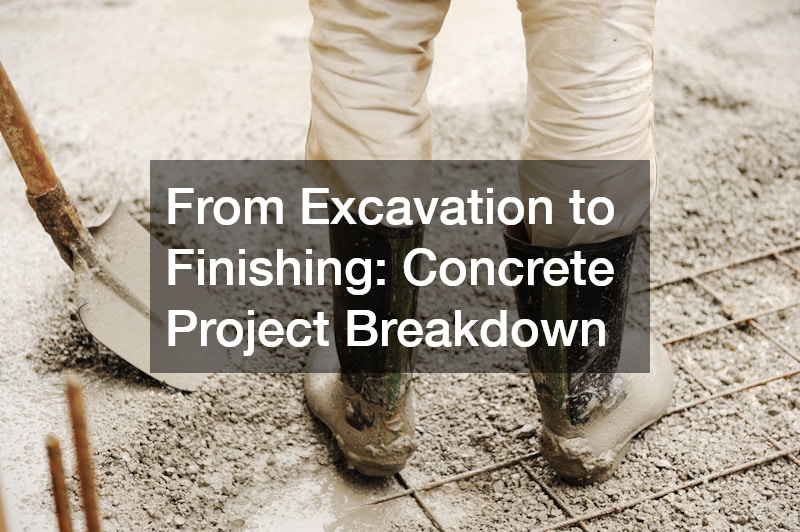
Concrete projects might look straightforward from the outside, but a successful result depends on a carefully managed process from the very first step to the final finish. Whether you’re installing a driveway, patio, walkway, or foundation, each phase builds on the one before it. Skipping steps, rushing timelines, or overlooking details can lead to cracks, drainage issues, and costly repairs down the line.
This guide walks you through every stage of a residential concrete project—from early planning and site prep to pouring, finishing, and long-term maintenance. You’ll learn what to expect, what to watch for, and how to make informed decisions so your project is durable, functional, and visually appealing for years to come.
Evaluate Your Site Before Breaking Ground
Before any physical work begins, understanding your property is critical to the success of your project. Site conditions directly influence how concrete performs over time, especially when it comes to stability and drainage. Many homeowners underestimate how much factors like soil type, slope, and moisture levels can impact the final result. A thorough evaluation helps prevent structural issues, uneven settling, and premature cracking. Taking the time to properly assess your land also allows you to make smarter decisions about layout and design before committing to construction.
- Walk your property after heavy rain to identify pooling water
- Check soil type and stability before excavation begins
- Hire an experienced excavating contractor for proper grading and prep
- Coordinate early with hardscaping contractors for cohesive outdoor design
- Mark underground utilities to avoid costly damage
Taking these early steps ensures your project starts on solid ground. Addressing drainage, grading, and soil concerns upfront reduces long-term risks and unexpected expenses. A well-prepared site creates the foundation for everything that follows and helps your project perform as intended for years. Spending a little extra time in this phase can also help you avoid redesigns later, which can be both time-consuming and expensive.

Define the Scope and Set a Realistic Budget
Every successful project begins with a clear vision and a realistic financial plan. Defining the scope allows you to determine what you’re building, how it will be used, and what level of durability and finish is required. Without a clear plan, costs can quickly spiral, and important details may be overlooked. Whether it’s a patio, walkway, or slab, each component influences the overall investment. Careful planning ensures you stay on track and avoid surprises later.
- Get multiple quotes from reputable concrete contractors
- Ask what is included in a full concrete service package
- Break down labor, materials, and timeline in each estimate
- Set aside a contingency budget of at least 10–15%
- Prioritize quality workmanship over the lowest price
Having a clearly defined scope and budget allows for smoother communication and better decision-making throughout the project. It ensures expectations are aligned between you and your contractor. This preparation phase is key to avoiding delays, misunderstandings, and unnecessary expenses. It also gives you the flexibility to make adjustments without derailing your overall plan.
Choose the Right Materials for Long-Term Performance
Selecting the right materials plays a major role in how your concrete holds up over time. Not all mixes are created equal, and choosing the wrong type can lead to cracking, wear, or poor aesthetics. Environmental factors like temperature, moisture, and usage demands must all be considered. High-quality materials not only improve durability but also enhance the finished appearance. Making informed choices at this stage can prevent costly repairs later.
- Compare different types of concrete supplies based on strength and use
- Ask about additives for weather resistance and flexibility
- Schedule concrete delivery services to ensure fresh, consistent material
- Consider finish options that align with your design goals
- Confirm curing requirements for your selected mix
Choosing the right materials ensures your project performs well under real-world conditions. It helps maintain structural integrity while also achieving the look you want. With proper planning, you can balance durability, aesthetics, and cost effectively. Investing in better materials upfront often leads to fewer maintenance issues and longer-lasting results.
Prepare the Ground for a Solid Foundation
A properly prepared base is essential for preventing cracks, shifting, and uneven surfaces. The ground beneath your concrete must be stable, compacted, and graded correctly to support the structure. Skipping this step or doing it incorrectly can lead to long-term issues that are expensive to fix. Preparation involves more than excavation—it includes layering, leveling, and ensuring proper drainage. A strong foundation ensures the longevity of your entire project.
- Work with an excavating contractor to ensure proper depth and grading
- Remove debris, roots, and unstable soil before building the base
- Add and compact gravel or sand layers for stability
- Coordinate with concrete contractors to meet project specifications
- Verify proper slope for water runoff
Taking the time to prepare the ground correctly reduces the risk of structural problems later. It ensures the concrete has a stable surface to rest on and helps prevent water-related damage. This step is one of the most important investments in the overall success of your project. A well-built base also improves load distribution, making your concrete more resilient over time.
Install Forms and Reinforcement Correctly
Forms and reinforcement provide the structure and internal strength needed for a successful pour. Forms shape the concrete and hold it in place while it sets, while reinforcement materials help prevent cracking and increase durability. Proper installation ensures everything stays aligned and stable throughout the process. Even minor errors at this stage can impact the final outcome. Attention to detail is essential for achieving a strong, level surface.
- Ensure forms are level, secure, and aligned correctly
- Use rebar or wire mesh for added strength
- Work with a professional concrete service for accurate setup
- Plan ahead for future concrete additions if expansion is likely
- Double-check all measurements before pouring
Getting forms and reinforcement right creates a solid framework for the rest of the project. It ensures structural integrity and helps prevent future issues. Proper preparation at this stage leads to a smoother pour and a more durable finished product. It also reduces the likelihood of needing structural repairs in the future.
Schedule and Execute the Concrete Pour Efficiently
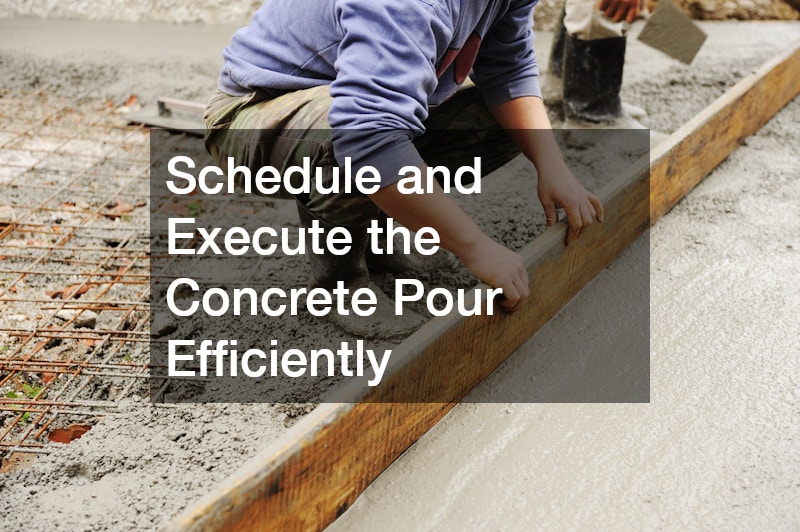
The pouring phase requires careful coordination and timing to ensure everything goes smoothly. Once the concrete is delivered, there is a limited window to place and finish it before it begins to set. Any delays or missteps can impact the strength and appearance of the final surface. Preparation and organization are key to making this stage successful. A well-planned pour minimizes risks and ensures consistent results.
- Schedule concrete delivery services to align with crew readiness
- Use consistent concrete supplies throughout the project
- Begin early in the day to allow adequate working time
- Ensure all tools and labor are ready before delivery
- Monitor weather conditions to avoid complications
Executing the pour efficiently helps create a smooth, even surface with consistent strength. It reduces the likelihood of weak spots or imperfections. Proper coordination during this phase is critical for achieving a high-quality result. When everything runs smoothly, the finishing process becomes much easier and more precise.
Use Precision Techniques for Cutting and Adjustments
Cutting is an essential step that helps control how concrete behaves as it cures and ages. Without proper joints, concrete can crack unpredictably due to expansion and contraction. Strategic cuts guide where these cracks occur, preserving both function and appearance. This process requires careful timing and precision to be effective. When done correctly, it significantly improves the durability of the surface.
- Use concrete cutting to create clean control joints
- Apply pavement cutting for larger surfaces or modifications
- Space joints evenly based on slab size
- Use professional tools for accuracy
- Follow proper timing to avoid damage
Precision cutting ensures your concrete remains structurally sound and visually appealing over time. It allows for controlled movement and reduces the risk of random cracking. This step also makes future repairs or modifications easier to manage. Properly placed joints can significantly extend the lifespan of your concrete.
Finish the Surface for Function and Aesthetics
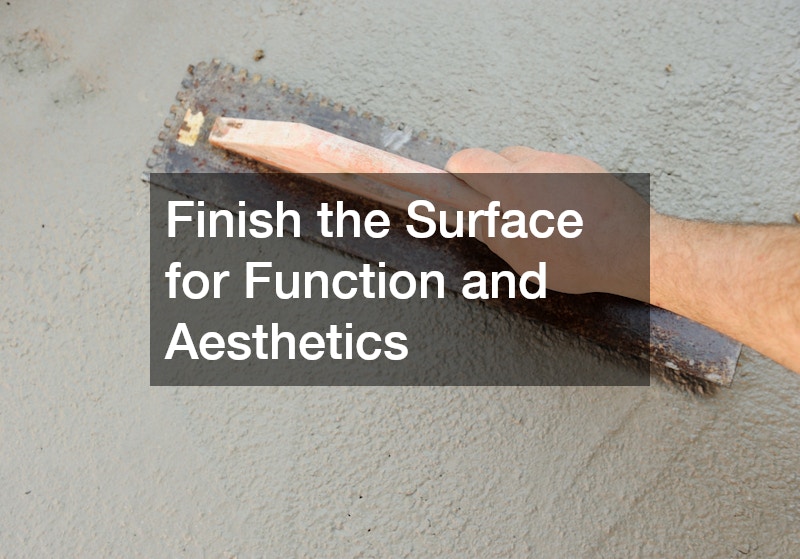
Finishing is where your project takes on its final look and functionality. The type of finish you choose affects safety, durability, and overall appearance. Different finishes are suited for different uses, from slip-resistant textures to decorative patterns. Proper timing and technique are essential to achieving the desired result. A well-executed finish enhances both form and function.
- Work with experienced concrete contractors for consistent results
- Coordinate with hardscaping contractors for integrated design
- Choose broom finishes for traction in high-traffic areas
- Consider stamped or decorative finishes for visual appeal
- Match the finish to your home’s style
A high-quality finish not only improves appearance but also ensures the surface performs as intended. It adds value to your property and enhances usability. Taking the time to select and apply the right finish pays off in both aesthetics and longevity. It also helps reduce long-term maintenance needs by creating a more resilient surface.
Allow Proper Curing for Maximum Strength
Curing is a crucial step that allows concrete to reach its full strength and durability. During this process, moisture is retained to ensure proper hardening. Skipping or shortening the curing phase can lead to cracks and weakened surfaces. Many issues that appear later can be traced back to improper curing. Taking this step seriously ensures long-term performance.
- Use proper methods recommended by your concrete service
- Ensure quality concrete supplies are used for optimal curing
- Keep the surface moist during the initial curing period
- Protect the area from extreme weather conditions
- Avoid heavy traffic for at least 7 days
Proper curing strengthens the concrete and helps prevent future damage. It ensures the material performs as expected under daily use. With the right approach, curing can significantly extend the life of your project. Patience during this phase is essential for achieving the best possible results.
Plan for Driveways and High-Traffic Areas
High-traffic surfaces require extra planning to handle constant use and stress. Driveways, in particular, must support vehicle weight while resisting wear from weather and daily use. These areas need stronger materials, thicker slabs, and proper reinforcement. Without these considerations, damage can occur quickly. Designing with durability in mind ensures long-term reliability.
- Consult experienced concrete driveway companies for proper design
- Reinforce edges where stress is highest
- Use pavement cutting for future repairs or drainage improvements
- Ensure proper slope to prevent water buildup
- Choose finishes that provide traction
Planning for high-traffic areas ensures your surfaces remain functional and durable over time. It reduces the likelihood of cracks and costly repairs. With proper design and installation, these areas can withstand years of use. Thoughtful planning here can make a significant difference in long-term performance.
Maintain Your Concrete for Long-Term Durability
Ongoing maintenance is essential for preserving the strength and appearance of your concrete. Even well-installed surfaces can deteriorate if they are not properly cared for. Regular upkeep helps prevent small issues from becoming major problems. Maintenance also keeps your concrete looking clean and well-maintained. A proactive approach can significantly extend its lifespan.
- Clean surfaces regularly to remove dirt and debris
- Reseal concrete every few years for protection
- Repair cracks early using proper techniques
- Use concrete cutting for precise modifications when needed
- Plan concrete additions carefully to match existing structures
Consistent maintenance protects your investment and keeps your concrete performing at its best. It helps avoid costly repairs and extends the life of your project. With proper care, your concrete can remain strong, functional, and visually appealing for many years. Simple routine maintenance can make a big difference in long-term results.
Bringing Your Concrete Project Full Circle
A successful concrete project is the result of careful planning, proper execution, and ongoing maintenance. Each phase—from site evaluation to finishing—plays a critical role in the final outcome. By understanding the process and working with experienced professionals, you can avoid common pitfalls and ensure long-term durability. Attention to detail at every stage makes a significant difference in both performance and appearance.
Taking a thoughtful, step-by-step approach allows you to create a structure that not only meets your needs but also adds lasting value to your property. When done right, your project will stand strong against time, weather, and daily use.