Crane rentals are often one of the largest equipment expenses on construction and industrial projects. Whether you’re managing a small commercial build or a large-scale infrastructure job, inefficient crane use can quickly inflate your budget. However, with careful planning and informed decision-making, it’s possible to significantly reduce costs without sacrificing safety or productivity.
This article explores smart crane rental strategies that help optimize logistics, improve scheduling, and strengthen collaboration with providers such as a trusted local crane service. By implementing these strategies, you can keep your project on time and within budget.
How Can Proper Planning Minimize Crane Rental Costs?
One of the most effective ways to control crane rental expenses is by establishing a clear and realistic project timeline. Unclear schedules often result in extended rental periods, which can dramatically increase costs. Every extra day a crane sits idle on-site adds unnecessary expense. Work closely with your project managers to map out lifting activities in detail. Identify precisely when the crane will be needed and for how long. Building in small buffers for weather or minor delays is wise, but excessive padding can lead to overspending. When timelines are well-defined, you can book equipment for the exact duration required, minimizing downtime and avoiding last-minute extensions.
Accurately assessing project requirements is equally important. Overestimating your needs may result in renting a larger or more advanced crane than necessary, while underestimating can cause delays and additional rental periods. Evaluate load weights, lift heights, reach distances, and site conditions before selecting equipment. Consulting with a local crane service during the planning phase can help you determine the most suitable crane type for your specific tasks. This proactive approach prevents costly mismatches and ensures operational efficiency from the start.
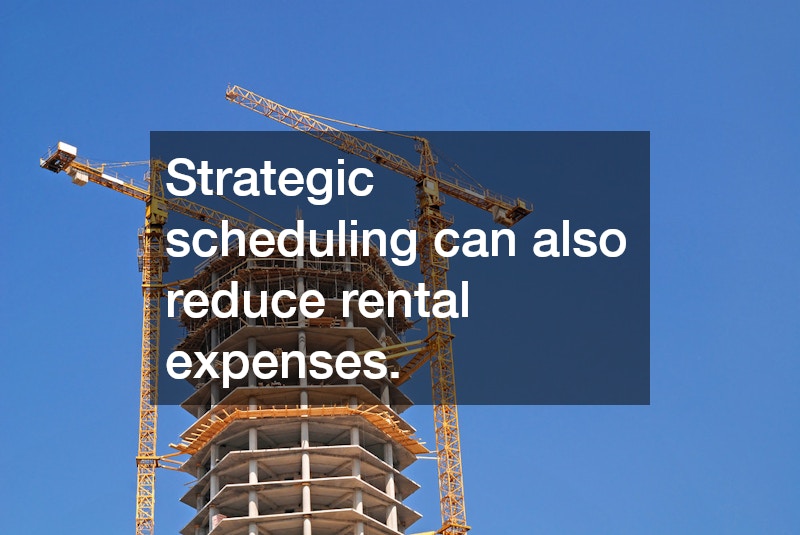
Strategic scheduling can also reduce rental expenses. Try to coordinate tasks so that all crane-dependent activities occur within a concentrated timeframe. This minimizes idle time and shortens the overall rental period. Additionally, consider booking during non-peak seasons if possible. Demand for cranes often rises during peak construction months, leading to higher rates. A flexible schedule may allow you to secure more competitive pricing from a local crane service while maintaining project momentum.
What Are the Benefits of Choosing the Right Crane?
Selecting the correct crane type directly impacts both efficiency and cost. For example, a mobile crane may be ideal for quick lifts and easy relocation, while a tower crane is better suited for long-term high-rise projects. Using a crane that aligns with your job requirements ensures faster lift times and smoother operations. Renting equipment that exceeds your needs can increase fuel consumption, transportation costs, and setup fees. By working with a knowledgeable local crane service, you can match the crane precisely to your project scope, avoiding unnecessary expenses.
Crane specifications such as load capacity, boom length, and lifting radius play a critical role in cost-effective selection. Choosing equipment with insufficient capacity can cause operational delays, while selecting overly powerful machinery may result in inflated rental fees. Carefully reviewing technical specifications helps ensure optimal performance without overspending. Reputable providers will walk you through these details and explain how each feature impacts both safety and cost. Understanding specifications allows you to make informed decisions that protect your budget.
Modern cranes often come equipped with advanced safety systems, fuel-efficient engines, and automated controls. While newer equipment may seem more expensive initially, it can generate long-term savings through improved productivity and reduced downtime. Enhanced precision and monitoring systems minimize errors and increase operational speed. Partnering with a local crane service that maintains updated, well-serviced equipment can improve overall efficiency and reduce unexpected repair costs during your rental period.
How Can Collaboration with a Crane Rental Company Cut Costs?
Choosing the right rental partner is crucial. Look for companies with transparent pricing structures, well-maintained equipment, and strong industry reputations. A reliable local crane service often provides competitive rates while offering personalized support tailored to your project. Local providers may also reduce transportation costs and response times, helping you stay on schedule. Establishing a long-term relationship with a dependable rental partner can lead to preferred pricing and priority access to equipment.
Negotiation is another valuable cost-saving strategy. Discuss flexible rental terms that align with your project timeline. Some companies offer daily, weekly, or monthly rates that can be structured to your advantage. For longer projects, inquire about discounted long-term rates. If your schedule is subject to change, request terms that allow adjustments without significant penalties. Open communication and clear expectations help create agreements that benefit both parties.
Crane rental providers bring extensive experience across various industries. Taking advantage of their expertise can prevent costly mistakes. A reputable local crane service can conduct site assessments, recommend optimal crane configurations, and advise on lift planning. Expert input helps identify potential challenges before they arise, reducing delays and minimizing risks. This collaborative approach enhances safety while ensuring your rental investment is used effectively.
Reducing crane rental costs requires thoughtful planning, informed equipment selection, and strategic collaboration. By clearly defining project timelines, accurately assessing requirements, and scheduling crane usage efficiently, you can significantly minimize unnecessary expenses. Choosing the right crane type, understanding specifications, and leveraging modern technology further improve cost efficiency. Most importantly, partnering with a reliable local crane service provides valuable expertise, competitive pricing, and flexible agreements that support your project goals.
With careful strategy and strong partnerships, you can maximize productivity while keeping crane rental costs firmly under control.