Building a new home is one of the most exciting investments a homeowner can make, but it’s also one of the most complex. From the earliest planning stages to the final walkthrough, every decision influences the long-term comfort, value, and functionality of the finished property. New home construction isn’t just about choosing a floor plan and finishes—it requires careful coordination between design, budgeting, scheduling, and professional services. A well-planned project can help avoid delays, unexpected expenses, and compromises that may be difficult to correct later.
Before breaking ground, it’s important to think holistically about how your home will be built and how it will perform years into the future. Factors like site preparation, structural requirements, utility systems, and exterior features all play a role in shaping the final result. Even details that seem minor early on can have a significant impact once construction is underway. By understanding the most important considerations ahead of time, homeowners can make informed choices that support a smoother building process and a more satisfying outcome.
The following sections explore key areas to think through before and during construction. Each one highlights practical considerations that can help you stay organized, manage costs, and create a home that meets both your immediate needs and long-term goals.
Planning The Site And Preparing The Property
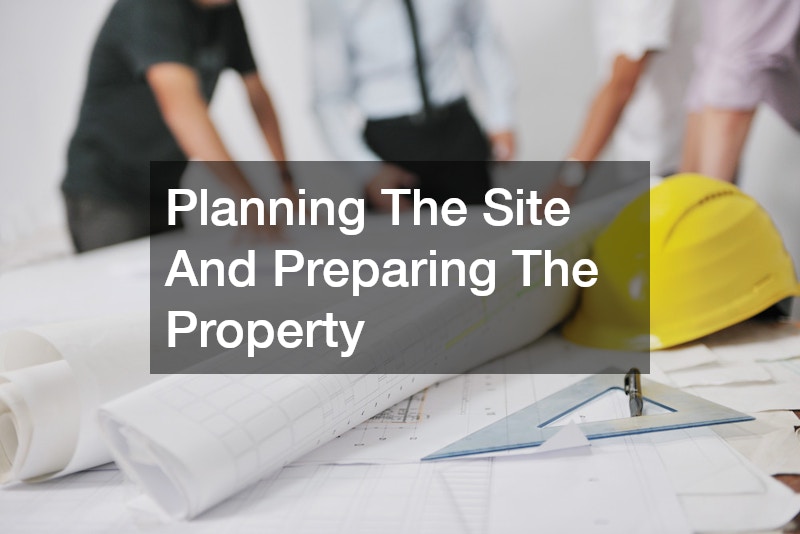
Every successful construction project begins with thorough site planning. The condition, size, and layout of the lot will influence everything from foundation design to drainage solutions. Before construction starts, professionals often evaluate soil stability, grading requirements, and natural features that may affect the build. Addressing these factors early helps reduce surprises once excavation begins.
Clearing the property may involve tree removal to eliminate hazards or create space for the structure, driveway, and utility connections. This step must be done carefully to preserve healthy trees where possible while ensuring the building footprint is safe and accessible. Proper grading also supports water runoff management, which protects the foundation and surrounding landscape.
Long-term outdoor design should be considered at this stage as well. Thinking ahead about landscaping needs allows homeowners to plan for walkways, patios, and green spaces that complement the home’s layout. When site preparation aligns with future exterior plans, it’s easier to avoid costly rework and achieve a cohesive final result.
Establishing A Realistic Construction Budget
Budgeting is one of the most critical aspects of any new home construction project. While it’s natural to focus on visible features like kitchens and bathrooms, many essential costs are less obvious during early planning. Site work, permits, inspections, and infrastructure can represent a significant portion of the overall investment.
A realistic budget includes contingency funds for unexpected issues, such as material price changes or weather-related delays. Clear communication with builders and contractors helps ensure estimates are accurate and aligned with your expectations. It’s also wise to prioritize spending based on long-term value, focusing on structural integrity, energy efficiency, and durable materials.
Managing costs doesn’t mean sacrificing quality—it means making informed decisions. Understanding where flexibility exists and where it doesn’t allows homeowners to allocate resources wisely throughout the build, reducing stress and financial strain as the project progresses.
Coordinating Utilities And Essential Systems
Behind every well-functioning home is a network of carefully planned systems. Early coordination of utilities is essential to prevent conflicts during construction. This includes water, sewer, gas, and electrical connections, all of which must align with local codes and the home’s layout.
Plumbing design deserves particular attention, as it affects kitchens, bathrooms, laundry areas, and outdoor connections. Thoughtful planning ensures proper water pressure, efficient drainage, and future accessibility for maintenance or upgrades. Poorly planned systems can lead to costly repairs and disruptions after the home is completed.
Working closely with experienced professionals helps ensure that utility installations are integrated smoothly into the construction timeline. When systems are planned and installed correctly from the start, homeowners benefit from improved performance, reliability, and peace of mind.
Managing Waste And Jobsite Logistics

Construction sites generate a significant amount of debris, packaging, and excess materials. Having a clear plan for waste management keeps the site safer and more organized throughout the project. Arranging for a dumpster early in the process helps prevent clutter and allows crews to work more efficiently.
In addition to debris removal, jobsite logistics include access routes, material storage, and worker accommodations. On larger or longer projects, portable toilets are often necessary to meet health and safety standards for crews. These practical considerations may not be glamorous, but they play an important role in maintaining productivity and compliance.
A well-managed site minimizes delays and reduces the risk of accidents. By addressing logistics upfront, homeowners and builders can focus on quality construction rather than constant cleanup and adjustments.
Selecting Structural And Specialty Equipment Needs
Some home construction projects require specialized equipment to complete certain phases safely and efficiently. This is especially true for multi-story homes, complex roof designs, or properties with limited access. Planning for these needs in advance helps avoid scheduling conflicts and unexpected costs.
In certain situations, crane rental may be necessary to lift heavy materials such as roof trusses, steel beams, or prefabricated components. Coordinating this equipment requires precise timing and experienced operators to ensure safety and efficiency. When scheduled properly, specialized equipment can significantly speed up construction while reducing physical strain on workers.
Understanding equipment requirements early allows builders to integrate them into the overall timeline. This proactive approach supports smoother execution and helps keep the project on track.
Designing For Safety And Long-Term Maintenance
A well-designed home should prioritize safety from day one while also accounting for the realities of long-term ownership. Thoughtful design choices can significantly reduce maintenance demands, lower repair costs, and improve overall livability over time. This starts with selecting durable materials that perform well in the local climate, whether that means moisture-resistant components in humid areas or impact-rated materials in regions prone to severe weather. Designing for longevity helps protect the home’s structural integrity and minimizes the need for frequent replacements.
Accessibility is another critical factor in long-term maintenance planning. Mechanical systems, shut-off valves, and inspection points should be easy to reach without requiring major demolition or invasive work. Thoughtful layouts allow professionals to service essential systems efficiently, reducing labor time and homeowner disruption. Proper ventilation, fire-resistant materials, and code-compliant spacing also play a major role in maintaining a safe living environment throughout the life of the home.
Specialty features require extra foresight during the design phase. Fireplaces, heating systems, and ventilation components must be installed with future service needs in mind. Planning for convenient chimney service access, for example, allows routine inspections and cleanings to be completed safely and efficiently. While these considerations may seem minor during construction, they become critical once the home is occupied. Designing with long-term maintenance in mind leads to greater comfort, enhanced safety, and fewer costly surprises down the road.
Choosing Exterior Boundaries And Property Features

Establishing clear and functional exterior boundaries is an essential part of new home construction. These features define how the property is used, provide privacy and security, and contribute to the overall curb appeal of the home. Early planning ensures that exterior elements align with zoning requirements, neighborhood guidelines, and long-term property goals. When boundaries are thoughtfully designed, they enhance both the visual appeal and usability of the outdoor space.
Fence installation is a common consideration that requires careful coordination. Property lines must be clearly identified, and local regulations may dictate height, materials, or placement. The style of fencing chosen can impact everything from maintenance responsibilities to how the home complements surrounding properties. Coordinating fence plans with driveways, walkways, and landscaping layouts helps create a cohesive exterior design and avoids costly changes later.
Beyond fencing, other property features such as gates, retaining walls, and outdoor living areas should be planned as part of the overall site design. These elements influence traffic flow, drainage, and outdoor functionality. When exterior boundaries are planned early and executed thoughtfully, they add long-term value, improve daily usability, and help the property feel complete from the moment construction ends.
Personalizing Entryways And Architectural Details
Architectural details play a significant role in shaping the identity of a new home. Entryways, trim work, and exterior accents are often the first elements people notice, making them an important opportunity for personalization. These details should complement the home’s architectural style while reflecting the homeowner’s preferences. Planning them early ensures consistency throughout the build and prevents last-minute design compromises.
The entryway is particularly impactful, as it sets the tone for the entire home. Choosing a custom door allows homeowners to balance aesthetics, security, and energy efficiency. Factors such as material, size, glass inserts, and hardware all contribute to both appearance and performance. Because custom components often require additional manufacturing time, early selection is key to keeping the project on schedule.
Interior architectural details also deserve careful consideration. Trim profiles, ceiling treatments, and stair designs all influence how finished and cohesive the space feels. While each detail may seem small on its own, together they create a sense of craftsmanship and intentional design. Investing time in these choices helps ensure the finished home feels unique, polished, and tailored to its owners.
Planning For Exterior Finishes And Protection
The exterior of a home is constantly exposed to weather, temperature changes, and environmental wear, making finish selection a critical decision. Choosing durable materials and appropriate finishes helps protect the structure while maintaining its appearance for years to come. Climate considerations, such as sun exposure, moisture levels, and temperature fluctuations, should guide material and color choices to ensure long-term performance.
Proper timing and coordination are essential when it comes to finishing work. Scheduling an exterior painting service at the correct phase of construction ensures surfaces are fully prepared, dry, and properly sealed. Professional application improves adhesion, coverage, and durability, helping prevent issues such as peeling, fading, or moisture intrusion. Paint quality and finish type also play a role in reducing maintenance needs over time.
Beyond paint, exterior protection includes siding materials, sealants, and weather-resistant barriers. These components work together to shield the home from the elements and preserve its structural integrity. When exterior finishes are planned carefully and installed correctly, they enhance curb appeal, reduce ongoing upkeep, and protect the homeowner’s investment well into the future.
Aligning The Construction Timeline With Realistic Expectations
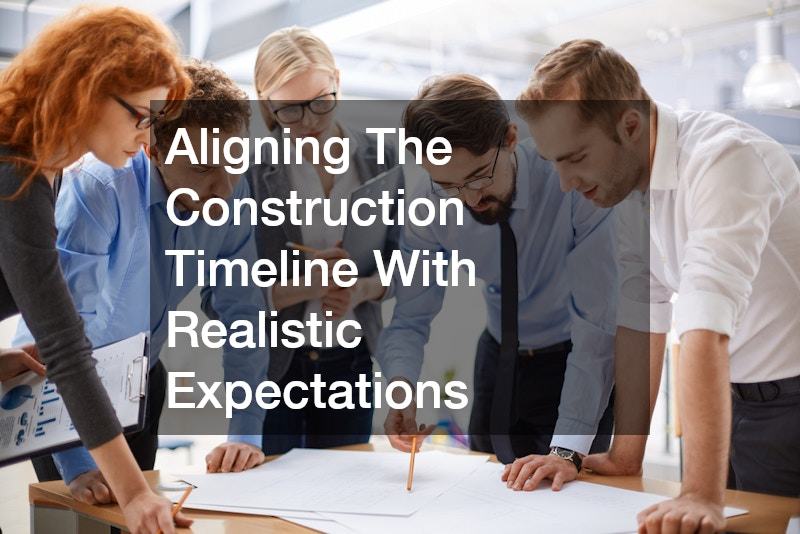
A well-structured construction timeline helps set clear expectations and reduces stress throughout the building process. While every project is unique, having a detailed schedule with defined milestones allows homeowners and builders to stay aligned. Timelines should account for each phase of construction, from site preparation and framing to inspections and finishing work, while also allowing room for adjustments.
External factors such as weather conditions, material availability, and inspection schedules can influence progress. Understanding these variables ahead of time helps homeowners remain flexible without feeling uncertain. Regular communication with contractors ensures that any changes are addressed promptly and transparently, preventing small delays from becoming major setbacks.
It’s also important for homeowners to align personal plans with the construction schedule. Move-in dates, financing timelines, and coordination with other service providers should all be considered. When expectations are realistic and communication remains consistent, the construction experience becomes more predictable and manageable. A thoughtfully planned timeline ties all aspects of the project together, supporting a smoother path from groundbreaking to completion.
Building a new home is a multifaceted process that requires careful attention to detail, thoughtful planning, and collaboration with experienced professionals. Each decision made along the way—from preparing the site to selecting finishes—shapes not only the construction experience but also the long-term enjoyment of the home. By considering factors such as budgeting, utilities, logistics, design features, and maintenance needs early on, homeowners can reduce uncertainty and avoid many common challenges associated with new construction.
Taking a comprehensive approach helps ensure that the finished home is both functional and reflective of personal priorities. When planning accounts for future needs as well as present goals, the result is a space that remains comfortable, efficient, and valuable for years to come. Clear communication, realistic expectations, and informed decision-making are key to navigating the complexities of construction.
Ultimately, a successful new home construction project is built on preparation. By thoughtfully addressing each of these considerations, homeowners position themselves for a smoother process and a final result that truly feels like home.